

Athens, Greece
Year established: 2012
Website/social media: Click here
Organisation Earth is a grassroots civil society organisation based in Athens, Greece, focused on environmental education, urban greening, climate adaptation and social engagement. It was officially founded in 2012, following discussions that began during the Greek financial crisis. The organization was founded by people from diverse backgrounds who shared the concern that contemporary society had become increasingly disconnected from nature and from fundamental human relationships.
Central to the organization’s philosophy is the idea of reconnecting people with nature and with one another. Its activities are based on what the organisation describes as “active learning. Through active learning, participants rather than communicating environmental issues only theoretically, they engage directly in practices such as gardening, composting, cultivation, cooking and environmental workshops.
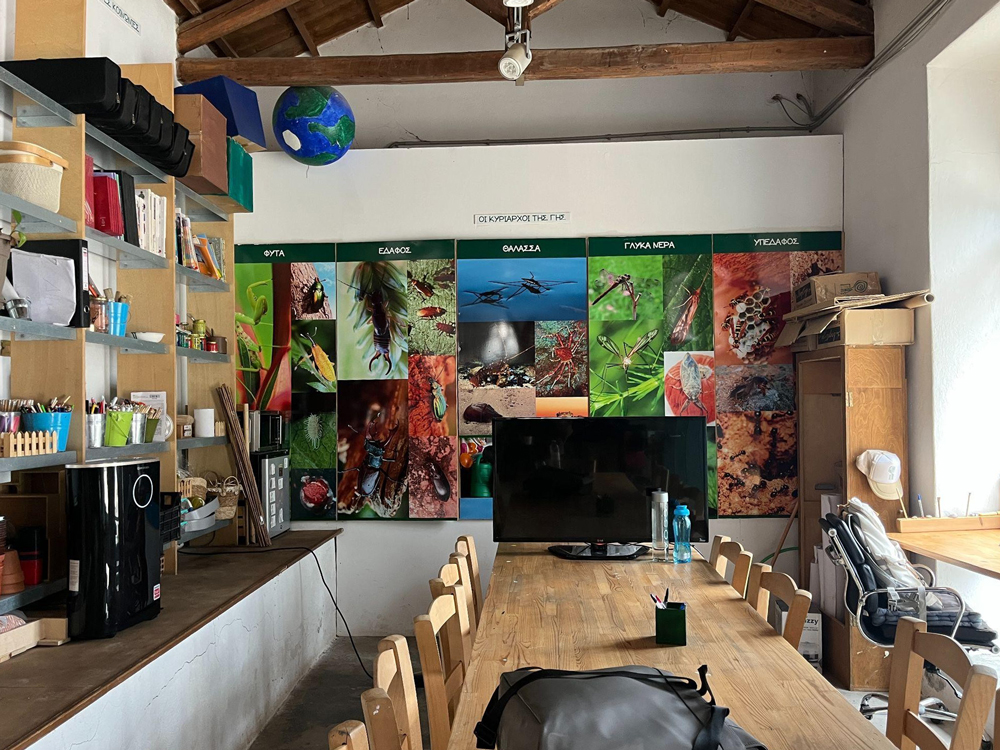
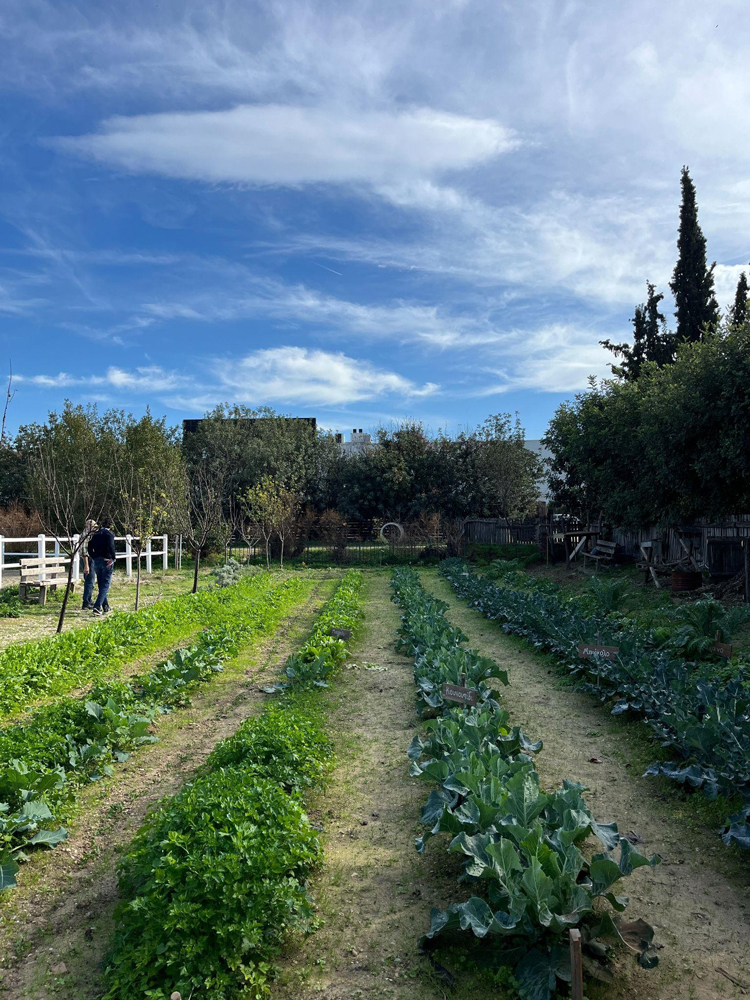
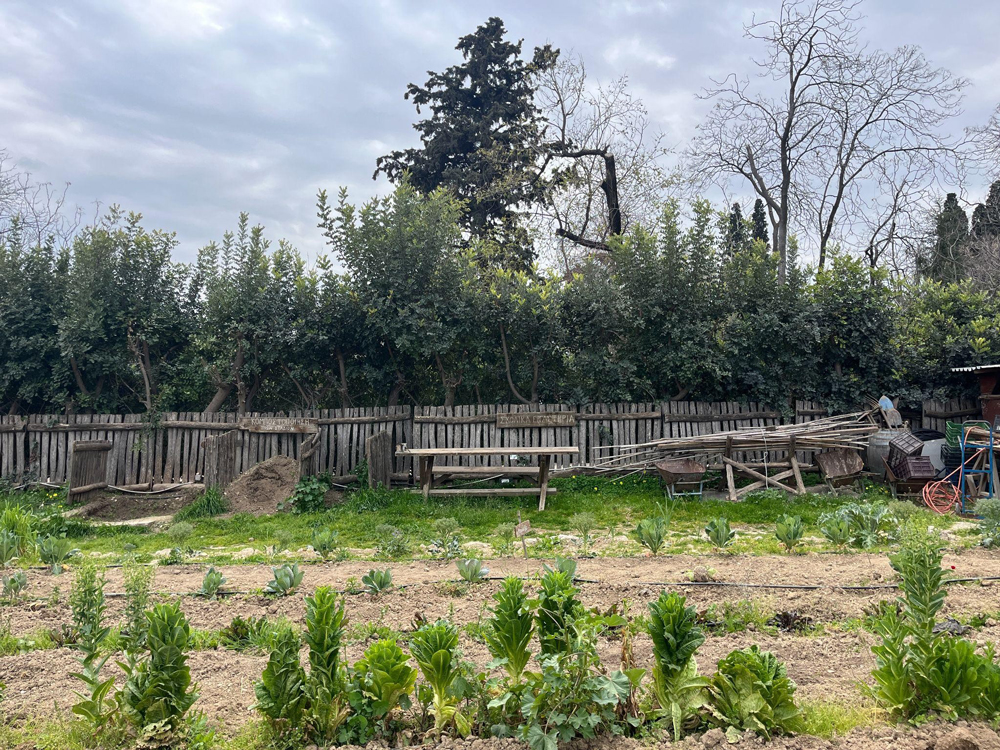
A central base for many of these activities is the Centre of the Earth, an urban farm and educational space in Athens that functions as a place of environmental learning, community gatherings and experimental ecological practices. At the same time, Organisation Earth works across the wider Attica area through schools, neighbourhood spaces, community gardens, pocket parks and other public-space interventions. Its main activities include environmental education for children, adults and vulnerable groups; urban gardening and organic farming; community cooking and social events; pocket parks and communal gardens; climate-adaptation projects involving shade and cooling systems; work with refugee camps and vulnerable communities; and Sport & Development programmes.
One of the most inspirational aspects of Organisation Earth is its longevity, resilience and adaptability while maintaining a consistent core mission. It emerged during the Greek economic crisis, later responded directly to the refugee crisis, and has increasingly shifted its attention towards the climate crisis, urban greening and climate adaptation. Organisation Earth has continuously evolved in response to the changing environmental and social conditions of Athens.
Its organisational resilience is notable because it operates without a stable endowment. Funding comes from a combination of European Union programmes, corporate social responsibility funding, foundations and limited income from educational activities. EU programmes represent the largest share, while CSR funding can provide greater flexibility. This hybrid model enables a relatively small organisation to maintain a wide range of environmental and social programmes, although financial instability remains one of its principal challenges.
Another transferable lesson is that physical interventions alone are not enough. Organisation Earth recognises that creating a garden or pocket park does not guarantee its long-term success. Local residents need to participate in its design, use and maintenance so that a sense of ownership and collective responsibility develops.
Sustainability is embedded in Organisation Earth's everyday activities rather than treated as an isolated objective. Its practices include organic farming, composting, water-saving irrigation, pollinator-friendly planting, urban greening and environmental education. Pocket parks, communal gardens, shading structures and misting systems also respond directly to some of Athens' most pressing environmental challenges, particularly extreme heat, limited green infrastructure and biodiversity loss.
Within the food value chain, Organisation Earth acts primarily as an educator and community builder rather than a large-scale food producer. Its role relates mainly to education, small-scale production and consumption awareness. Community gardens and urban farming introduce people to cultivation and food production, while communal cooking and educational programmes connect these practices with preparation, consumption, waste reduction and sustainable lifestyles.
The organisation therefore demonstrates how food can operate not only as a product but also as a tool for environmental education, community building, social inclusion and urban resilience.
Organisation Earth operates as a non-governmental, grassroots civil society organisation. Its internal structure is relatively small and flexible, consisting of approximately eleven people, including environmental trainers, administrative and programme staff, a community manager and operational support personnel. The community manager has a particularly important role maintaining the organisation's grassroots identity and connection with the communities it serves.
Its stakeholder network extends considerably beyond its internal team. Organisation Earth collaborates with municipalities, schools, educational institutions, researchers, NGOs, private-sector actors, European programmes, volunteers and local communities. Municipalities are particularly important because many urban greening projects require access to public space and infrastructure. At the same time, these relationships can be challenging because of bureaucracy, limited municipal capacity and political changes. The organisation therefore seeks to formalise agreements with public authorities wherever possible.
The Petroupoli community garden provides a particularly clear example. Small plots were allocated to residents according to social criteria. Organisation Earth provided training and support, while residents themselves were responsible for cultivation.
Organisation Earth works with a broad and deliberately diverse range of users and beneficiaries, including:
The organisation adapts its activities according to the needs and capacities of each group. Children's programmes tend to use sensory engagement, observation, play and direct interaction with natural processes. Activities with elderly participants place greater emphasis on memory, existing knowledge, social interaction and a sense of belonging. With refugees and other vulnerable populations, programmes are adapted to communication barriers and participants' immediate circumstances, often prioritising accessible, practical and hands-on activities.
Social inclusion is central to Organisation Earth's methodology. Rather than designing environmental projects for communities, the organisation seeks to develop them with communities, using participation and active learning to create opportunities for different groups to contribute.
Activities are adapted according to age, mobility, social conditions, group size and other needs. Where participants cannot easily reach the Centre of the Earth, programmes can be transferred to schools, care facilities and neighbourhood spaces. This flexibility allows the organisation to reach groups that could otherwise be excluded by physical or social barriers.
You can download our full case study, along with all the other case studies here.
“The idea for creating Organisation Earth was to reconnect people with nature and with each other.”
Alexis Galinos, Organisation Earth