

Stockholm, Sweden
Year established: Ongoing redevelopment
Website/social media: Click here
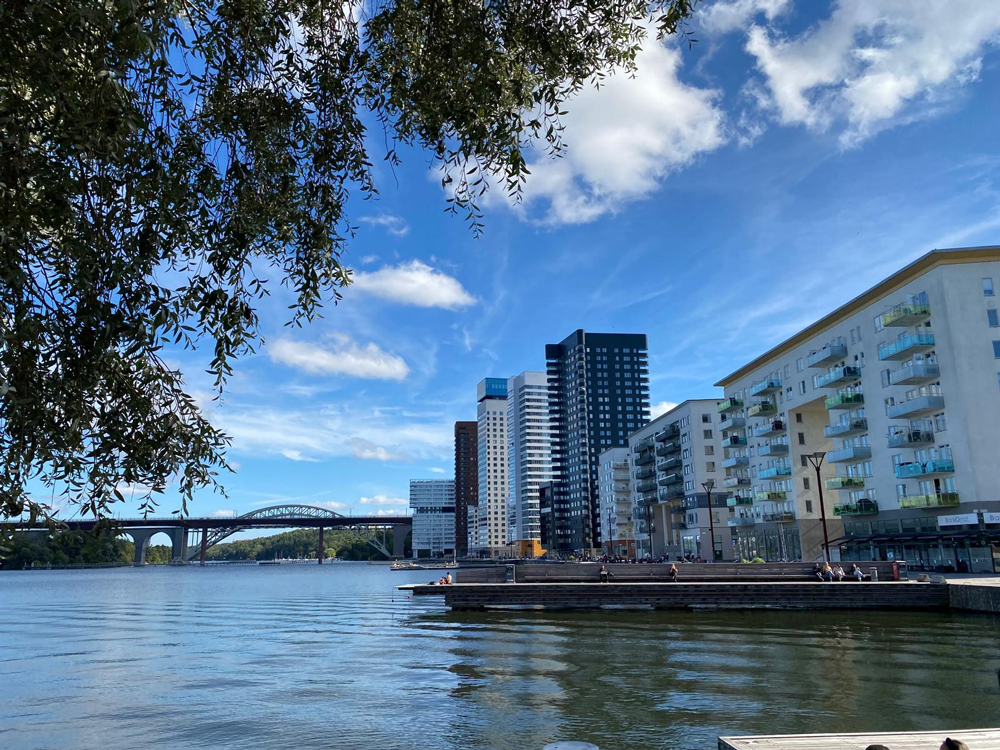
Marievik is a former office and industrial area in southern Stockholm that is being transformed into a dense, mixed-use neighbourhood with housing, workplaces, services and public spaces. With strong ambitions around sustainability and innovation, the redevelopment appeared to offer an interesting opportunity to explore how food production and local food systems could become part of a new urban district.
Urban food production could potentially contribute to several of Marievik’s ambitions at the same time: creating local food, supporting circular resource flows, activating neighbourhood spaces, strengthening resilience and creating opportunities for education and community engagement.
However, our research found that this potential has so far not translated into a clear food strategy or visible food-related infrastructure within the development. Instead, Marievik has become an important case for understanding the gap between sustainability ambitions and their implementation in urban planning.
Marievik is inspirational because of the lesson it provides.
Stockholm has growing interest in urban agriculture, food resilience and more sustainable food systems. Innovative food initiatives and relevant expertise also already exist in and around the city. Yet these different pieces do not automatically come together when new neighbourhoods are planned.
Marievik demonstrates that having good ideas, innovative technologies and ambitious sustainability goals is not enough. Food needs to be considered early in the planning process, responsibilities need to be clear, and practitioners with practical knowledge of food production and distribution need to be involved.
The case therefore provides an important lesson for other cities: urban food systems need to be treated as part of urban infrastructure rather than as an optional sustainability add-on.
As one Stockholm municipal representative explained:
“We are asking ourselves the same question. Will it be quantity, commercial food, or more social farming? We don’t really know yet.”
The quote captures an important moment in Stockholm’s development: interest in urban food is increasing, but the question of how it should become part of the city is still being explored.
Marievik itself currently has a limited direct role in the food value chain. This is precisely what makes the case useful.
Our research identified considerable potential for urban food systems to contribute to environmental, social and economic sustainability. Local production can shorten supply chains, strengthen food resilience and explore circular use of urban resources. Food-related spaces can also support education, community building and connections between producers and consumers.
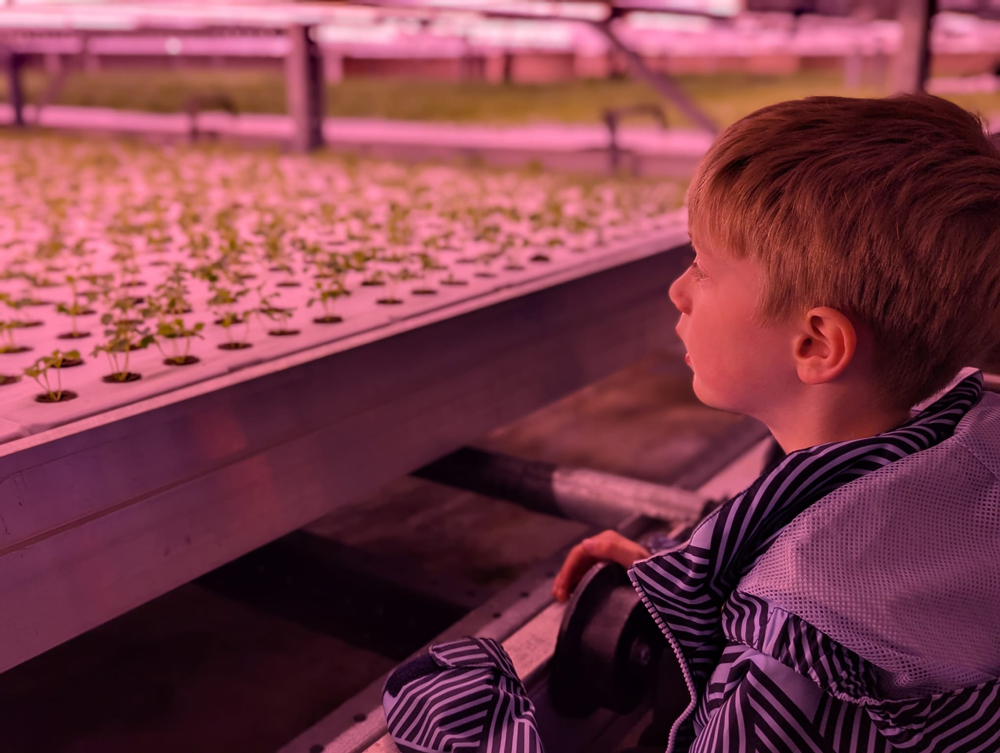
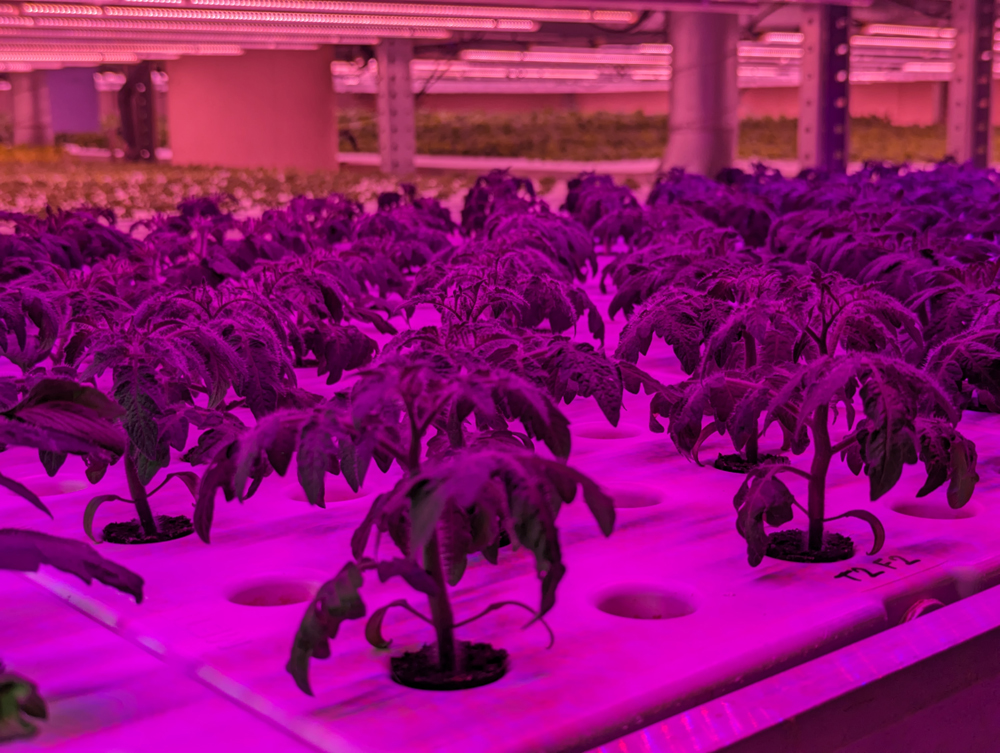
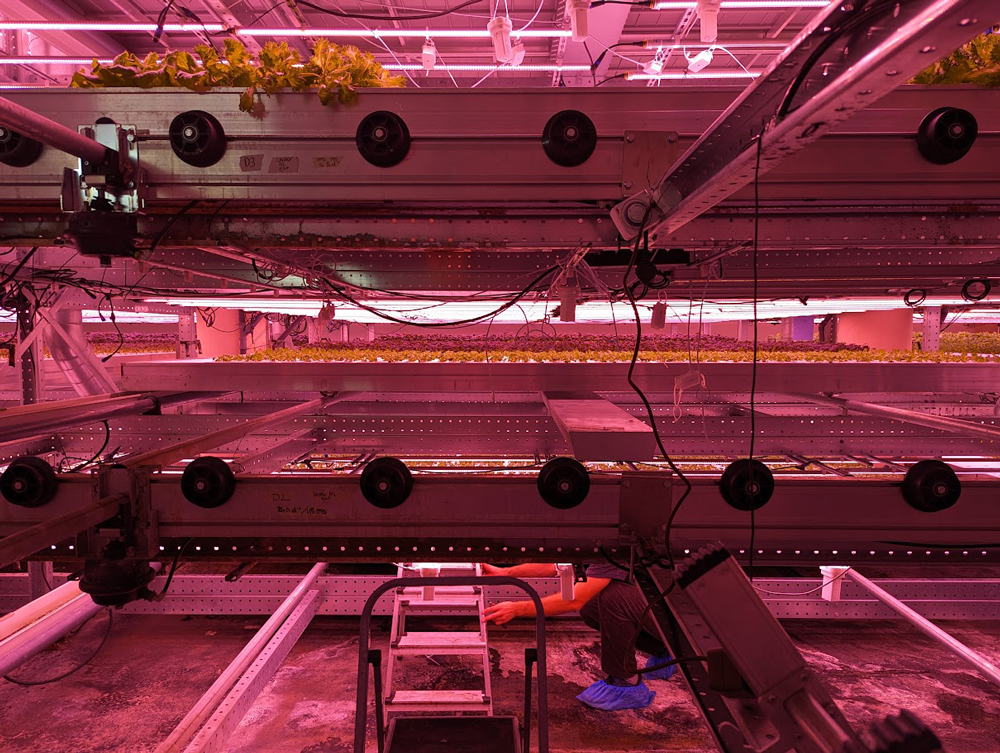
Nearby initiatives demonstrate that this is already possible in Stockholm. For example, the urban farming initiative Nära combines local food production with research, experimentation, tours and connections to neighbourhood restaurants and retailers.
The challenge is therefore not necessarily a lack of innovative food actors, but connecting these actors and their knowledge to urban development.
Marievik is part of a complex network involving property developers, planners, municipal departments and other actors involved in Stockholm’s urban development.
Food, however, does not currently have one clear institutional owner. Relevant responsibilities are spread across areas such as spatial planning, sustainability, public meals, urban agriculture and emergency preparedness.
At the same time, Stockholm has innovative food producers, researchers, civil society organisations and other practitioners with practical knowledge that could contribute to new urban developments. Our research suggests that these actors are not yet systematically connected to development processes such as Marievik.
This creates an important governance challenge: many of the necessary actors are present, but there is no strong mechanism bringing them together.
Other Swedish cases point towards possible solutions. Uppsala Matråd, for example, demonstrates how an intermediary organisation can create a platform connecting municipalities, producers, civil society and other food-system actors.
Because food-system integration has not yet been substantially implemented in Marievik, there is no clearly defined group of users for this aspect of the development.
If food were more strongly integrated, potential beneficiaries could include residents, local businesses, restaurants, schools and community organisations, as well as urban farmers and other food entrepreneurs.
More broadly, the case benefits planners, municipalities, developers and food-system actors by highlighting what needs to happen earlier in development processes if urban food ambitions are to become reality.
Social inclusion is currently one of the weaker aspects of the food dimension in Marievik. We found limited evidence that local communities or active food practitioners have been systematically involved in developing a food-related vision for the area.
The comparison with other initiatives shows what could be gained from stronger participation. Urban food projects can create meeting places, educational activities, volunteering opportunities and connections between residents and local producers.
For future developments, involving communities and food practitioners from the beginning could therefore help ensure that food becomes not only a technical sustainability solution, but also a visible and inclusive part of neighbourhood life.
Marievik shows that innovation can exist without integration.
Stockholm already has food-system knowledge, innovative practitioners and growing policy interest. What is missing is a stronger bridge between these resources and the processes through which neighbourhoods are actually planned and built.
For Marievik and similar developments, this means bringing food-system actors into the process earlier, creating clearer responsibilities within municipal governance, and considering food alongside other forms of essential urban infrastructure.
The case reminds us that the transition towards more sustainable and resilient urban food systems is not only about finding new technologies or ideas. It is also about creating the governance structures, partnerships and spaces that allow those ideas to become part of the city.
You can download our full case study, along with all the other case studies here.
.jpg)
.jpg)