

Bologna, Italy
Year established: 2021
Website/social media: Click here
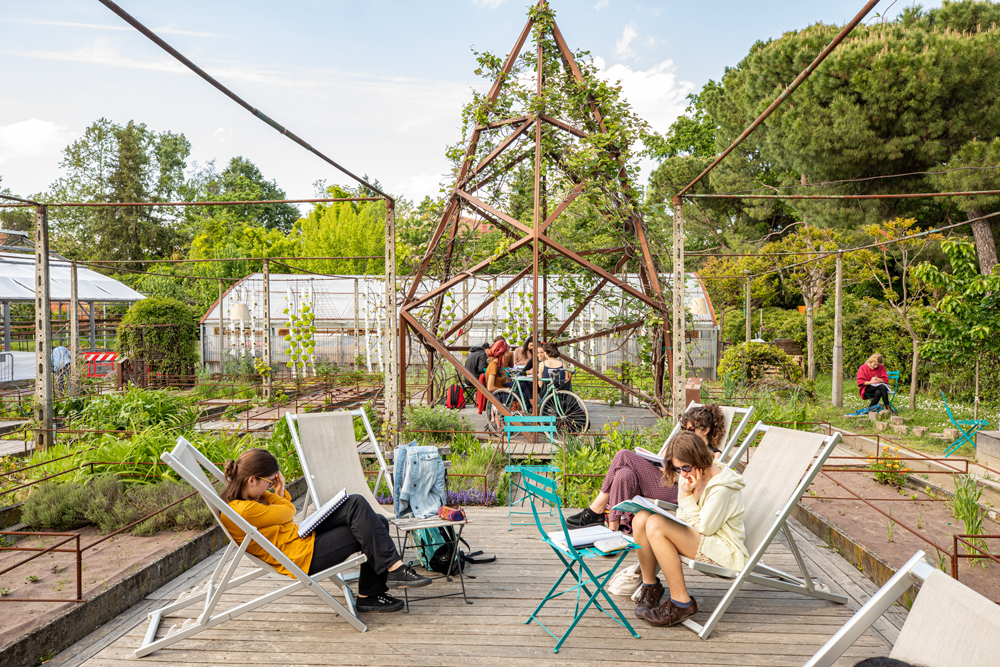
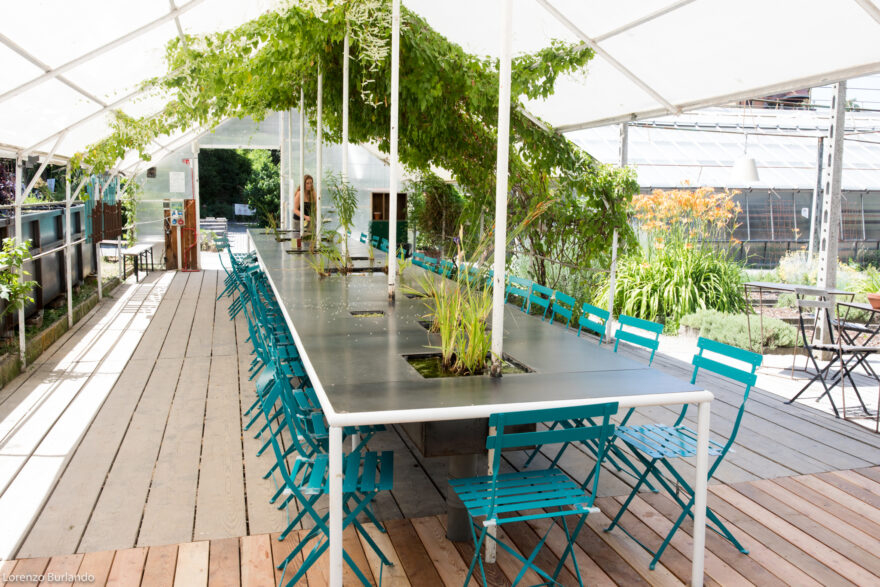
Kilowatt is an organisation which can be described as a multidisciplinary working cooperative, located in Bologna, Italy. In 2014, they won the opportunity to regenerate municipal greenhouses in Le Serre Dei Giardini Margherita. The site has now been transformed and remains a successful project for urban regeneration with incorporation of green infrastructure.
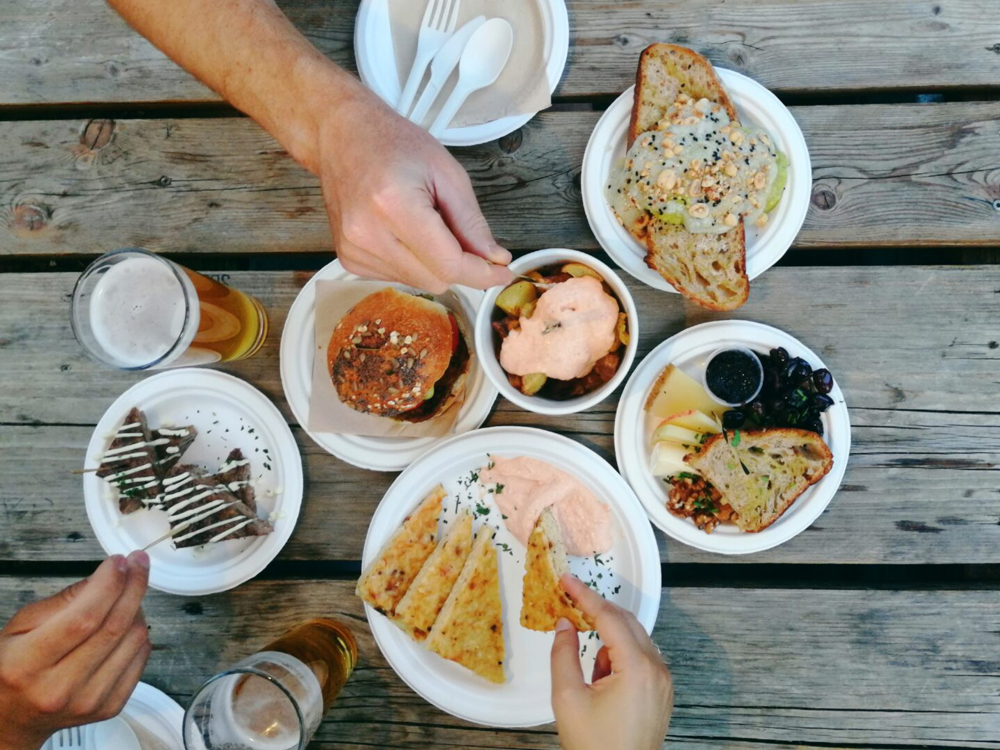
Since 2014, Kilowatt has expanded to cover areas of focus such as social innovation; culture and art; communication; urban regeneration; education; food production and service.Food is incorporated through innovative technologies of soilless cultivation, and in addition, their on-site vegetarian bistro. The space is additionally comprised of a community garden, day-care centre, co-working and open community spaces for the public and the organisation to utilise.
What makes Kilowatt especially unique is their unique internal model. It acts as an innovative example of how a private organisation can successfully manage a public space. They operate through a hybrid approach, encompassing an APS, a cooperative and a private enterprise, with the cooperative as the only associate. It dramatically contributes to how they can act and support a wide range of projects and operate as a multisectoral organisation.
There is no doubt that sustainability is a major area of focus for Kilowatt. It is consistently promoted during their events and activities, especially surrounding the narrative of reconnecting people to nature and encouraging the exploration of interactions between ecology and art. This is a domain that their latest project, Serra Madre, specifically focuses on. Communicating this message by using different forms of expression, such as through garden activities, music or dance, helps to engage with more members of the community.
Furthermore, sustainability is practised in their own daily operations. The produce grown in the garden and the food purchased for the bistro is organically grown and supports fair and local supply chains. There is also an active promotion of circularity, with the encouragement of recycling and valorising food waste, such as with their project Advance.
Taking these into consideration, Kilowatt predominantly is active in three main areas of the food value chain: producing, food service and waste management.
Due to Kilowatt's operations taking place in Le Serre dei Giardini Margherita, it places a truly unique position, operating as a private company that manages a public space. The project was originally in collaboration with the Municipality of Bologna, coupled with assistance from the Emilia-Romagna region, the Golinelli Foundation and AR-TER. It remains connected to the Municipality, with their 15-year rental contract. Aside from this, collaborations within the local stakeholder network are fostered through collaborations on projects and in events which primarily take place in Bologna. Through their consultancy services, long-term relationships are established and maintained with local businesses.
The public nature of Le Serre implies that anyone can visit and use the space. The dedicated co-working space allows professionals to rent workspaces for a minimum of six months at a time and is used throughout the year by both external professionals and Kilowatt employees. The free amenities offered also attract a wider engagement, with approximately 150,000 people visiting from last year. The primary demographics vary dramatically throughout the year, as there is a notable higher population of young people, students and 35–40-year-olds in summer months, whilst in the winter, local, older residents or families often visit. It additionally shows the variation in how the space is predominantly used throughout the year. Specific events, such as academic conventions, or children’s educational activities, additionally aim to bring more targeted audiences to Le Serre, and facilitates connections between similar demographics.
Le Serre remains accessible and inclusive for any person who wishes to utilise it. Inclusivity is furthermore encouraged by the amenities which are provided, such as free drinking water during summer, access to power and Wi-Fi, and specific cultural events that remain free to attend. Within summer, this is extended to also being one of Bolonga’s climate shelter locations.
More specific communities can be reached through dedicated events. Previously, activities organised or led by marginalised community members, such as migrant women have helped to engage others with similar experiences and backgrounds. There is an appreciation of the power of giving people their own voice and creating spaces where they can share their experiences, connect with others with similar insights, and provide opportunities for others to learn from their perspectives.
You can download our full case study, along with all the other case studies here.
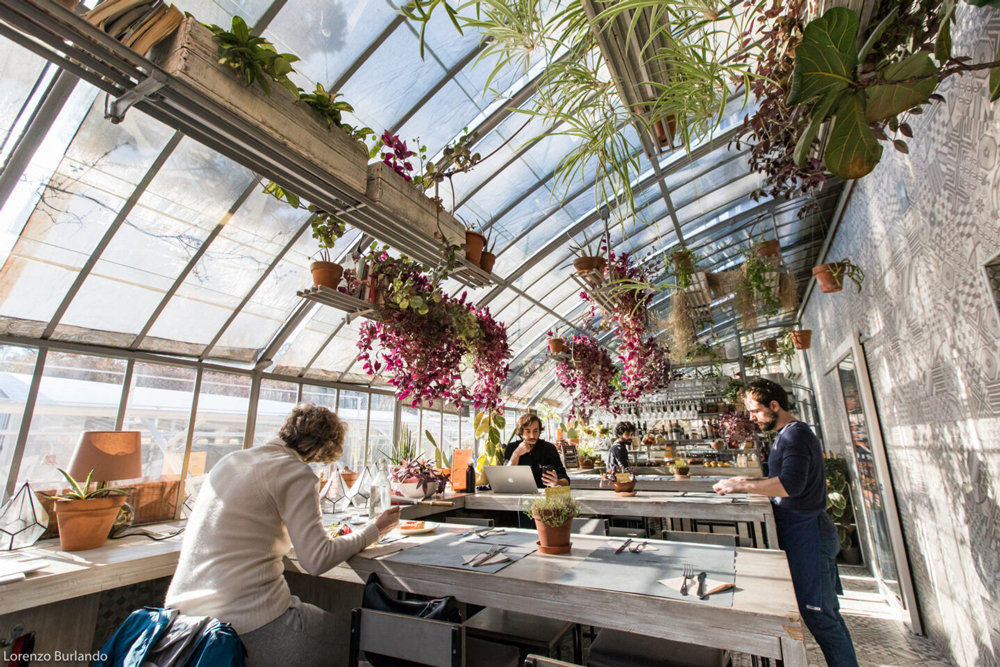
“It's a space for research, art, but also culture around this idea of ecological imagination, and so creating a dialogue and a connection between art, science, and humanities.”
[describing Serra Madre]
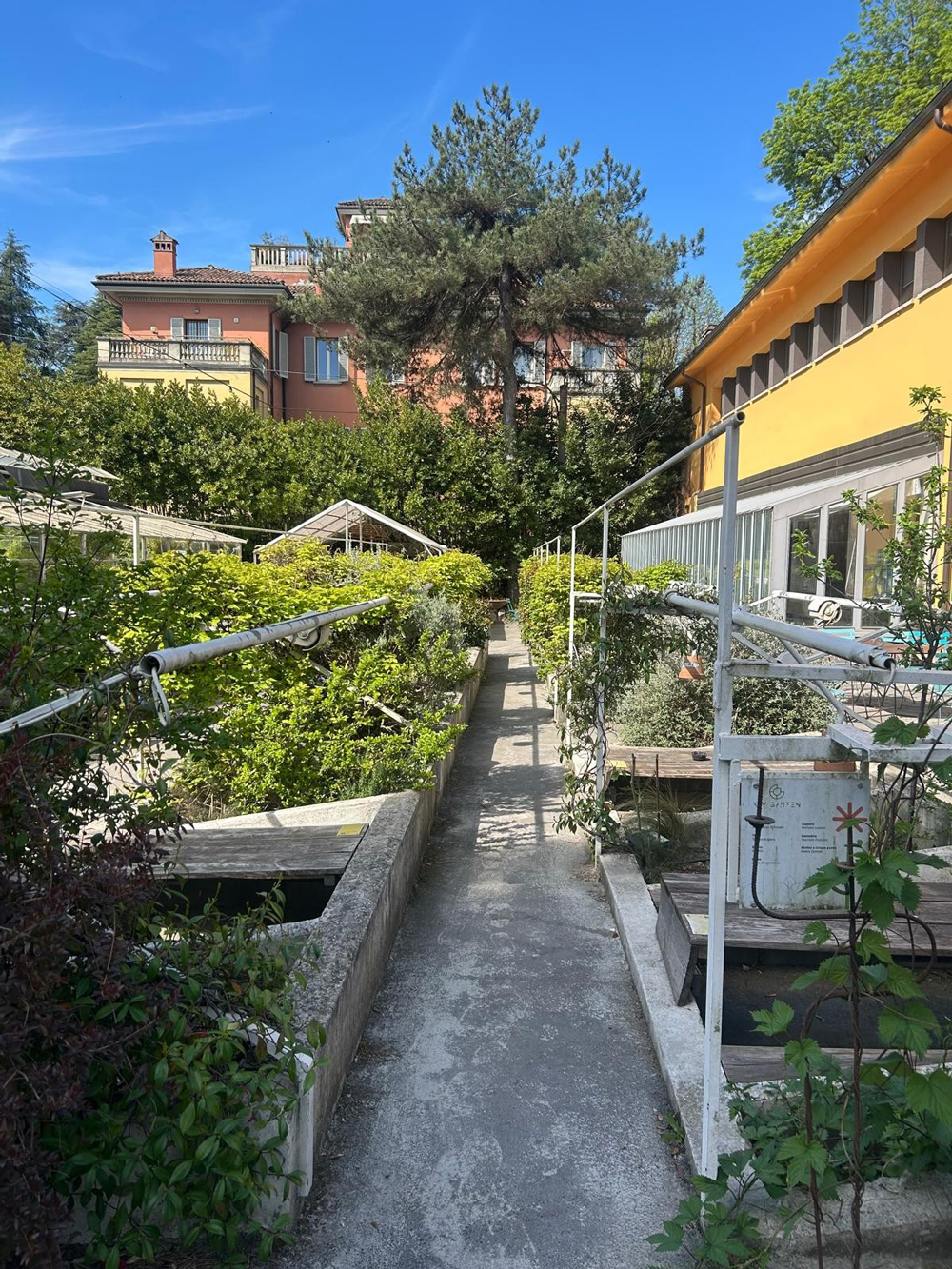
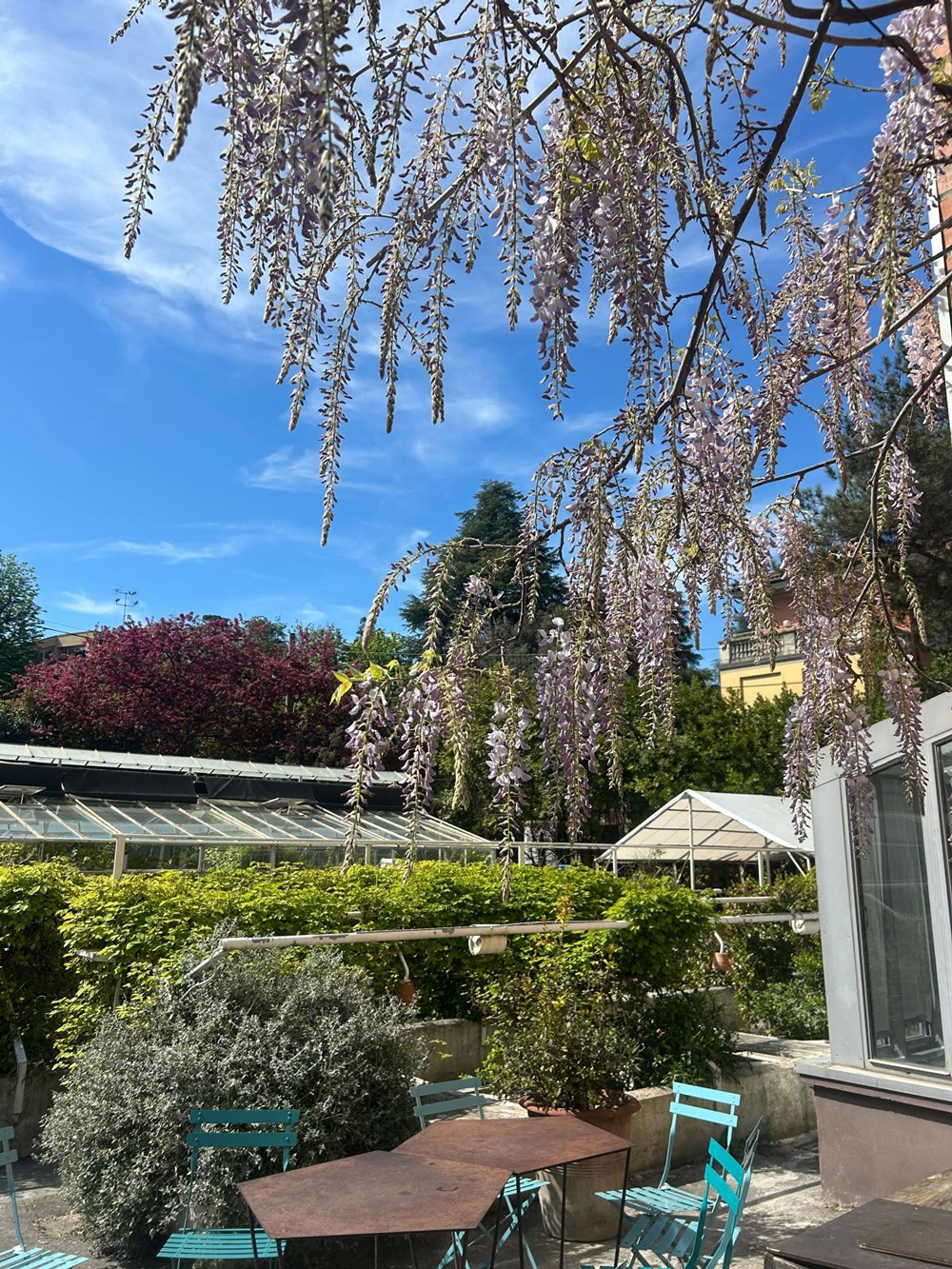
“Usually, the products we have in the garden, we use all of them in the dishes, maybe sometimes in the water...I usually make a syrup from the herbs in the garden. Even the flowers I use them to aromatize water to serve something different.”
“with what we serve in Vetro...we have to show our philosophy of sustainability...so even working at events allows us to make people be more conscious of what we try to communicate.”