

Nairobi, Kenya
Year established: 2019
Website/social media: Click here
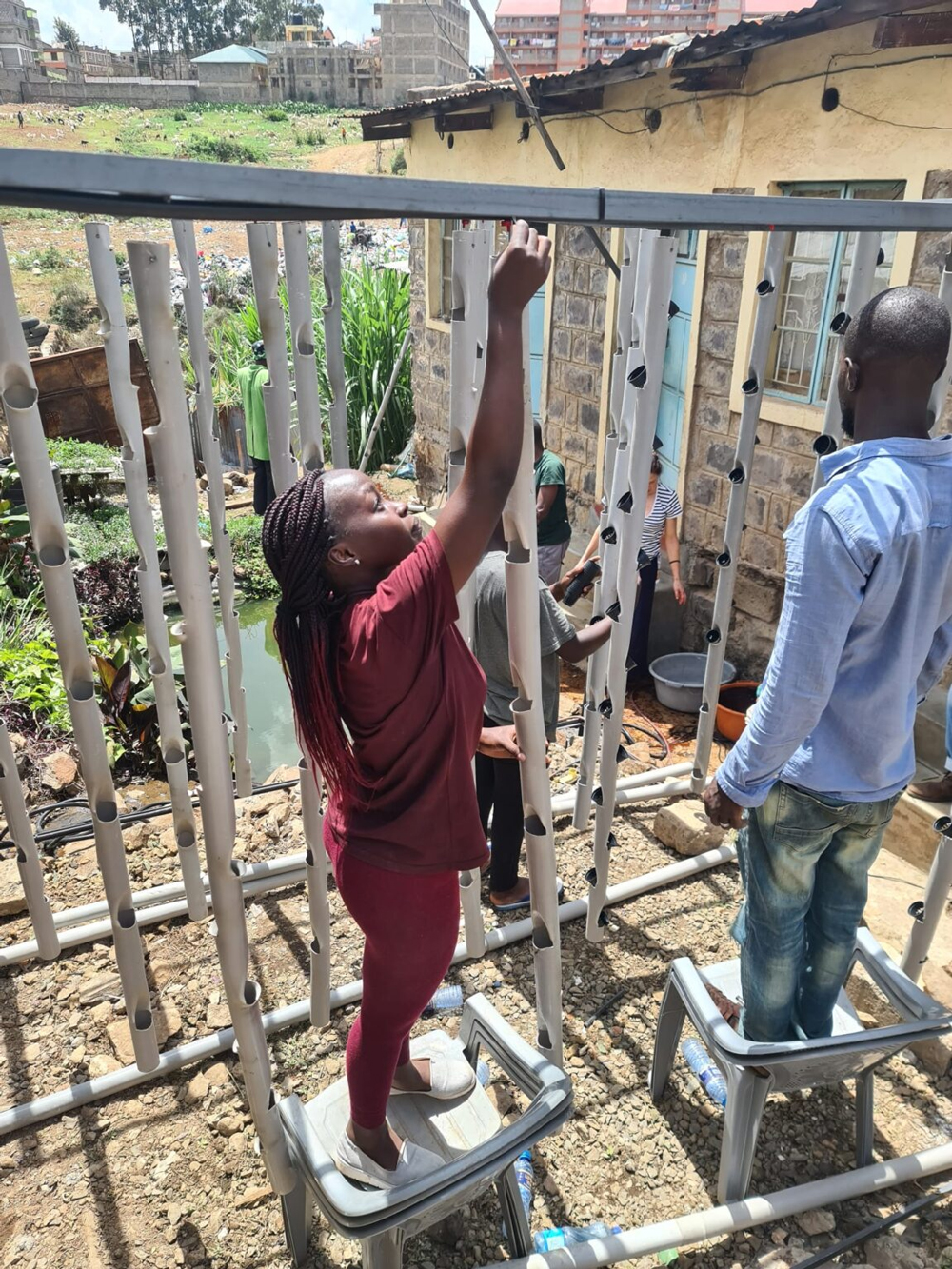
Growth4Change (G4C) is an initiative that emerged in 2019, powered by the Swedish organisation Voices4Change (V4C). Following collaborations with creatives in Nairobi through V4C, the board members developed a deeper understanding of the food insecurity and everyday challenges faced by residents of the city’s informal settlements. In response, demonstrations of alternative, soil-free cultivation systems were organised with local urban farmers, providing a safer approach to urban food production and ultimately laying the foundations for the establishment of Growth4Change.
Since then, the initiative has expanded across Nairobi, operating as an “ecosystem of changemakers” that collaborates through a shared learning network to drive systemic food system transformation. The initiative provides small grants to grassroot organisations which are usually excluded from funding opportunities, giving them the opportunity to demonstrate their potential through community projects. Support goes beyond financial assistance however, to include help with documentation, management and governance, and general skills development, enabling organisations to operate autonomously. This capacity building also extends to surrounding communities through educational activities focused on urban and food related issues, demonstrated through their campaign, #FoodIsPolitics.
What is noticeably unique about Growth4Change’s approach, is its community centred, bottom-up method to driving systematic change. As opposed to imposing solutions from outside bodies, G4C intentionally positions local actors at the centre of the identification of issues and developing appropriate responses. This, allows for community groups to draw on any relevant knowledge and resources they have whilst also acting with autonomy. It creates an approach that not only responds to local needs but also strengthens the capacity and agency of the communities themselves, demonstrating how locally led action can contribute to wider and more lasting urban transformation.
Sustainability is central to G4C’s operations. The initiative encourages ecosystem members to design projects that work within the environmental and material capacities of their locations. This often involves low-cost, low-tech “ghetto engineering” approaches, where available materials and system parameters are adapted to function to local constraints.
Community projects address issues such as access to clean water, sanitation, the regeneration of derelict urban spaces, and the expansion of urban agriculture. These efforts contribute to healthier, more resilient neighbourhoods.
G4C also plays an important social role in the food value chain. Its work centres on promoting social justice in relation to food, helping citizens understand food related challenges and empowering them to make long-term changes - from dietary choices to growing their own food. Ecosystem members operate primarily from a producer perspective, supporting local food production initiatives such as hydroponic farms, while also acting as educators and facilitators within the wider food system.
G4C is embedded in the local stakeholder network in Nairobi through its role as a collaborative platform and ecosystem of changemakers. The wider ecosystem consists of independent community-based organisations, social enterprises, informal groups, research institutions, and individuals that seek to address the precarities in Nairobi's informal settlements. These retain their own governance, missions, and activities, whilst collaborating through G4C when there is shared interests or complementary expertise. G4C therefore primarily acts as a connector and facilitator to the local stakeholders.
The ecosystem is considered open and includes a broad range of actors, including those local to Nairobi and international interested in contributing to community-led urban transformation. Specific support is particularly directed towards community groups and individuals who may have fewer opportunities to access funding, networks, or technical support, including young people and women in low-income urban communities. However, these opportunities are not restricted to these demographics and is open to other changemakers who want to contribute to positive change in their local areas. Additionally, the projects which are funded, and community events which are curated by G4C and their ecosystem members, remain inclusive and aim to benefit the whole community of focus.
As a community-driven initiative, G4C approaches social inclusion by involving local actors in identifying the local needs before projects and activities are developed. This helps ecosystem members to respond to issues with solutions that can genuinely make a difference. When collaborating, particular attention is given to groups that may have fewer opportunities to participate in these spaces, including young people and women, with activities and partnerships designed to create opportunities for their involvement and contribution.
Inclusion is also reflected in the accessibility of G4C’s community activities. Open events, such as those organised through the #FoodIsPolitics campaign, or learning lab activities, are not restricted to specific demographic groups and are open to community members who are interested in participating and learning. Collaborations with local creatives, youth groups and other community organisations help to reach different audiences and make engagement more relevant to them. Additionally, adapting a learning by doing approach to learning lab activities, helps to provide a less structured teaching pattern which is not limited to the level of education that participants have, increasing the accessibility.
You can download our full case study, along with all the other case studies here.
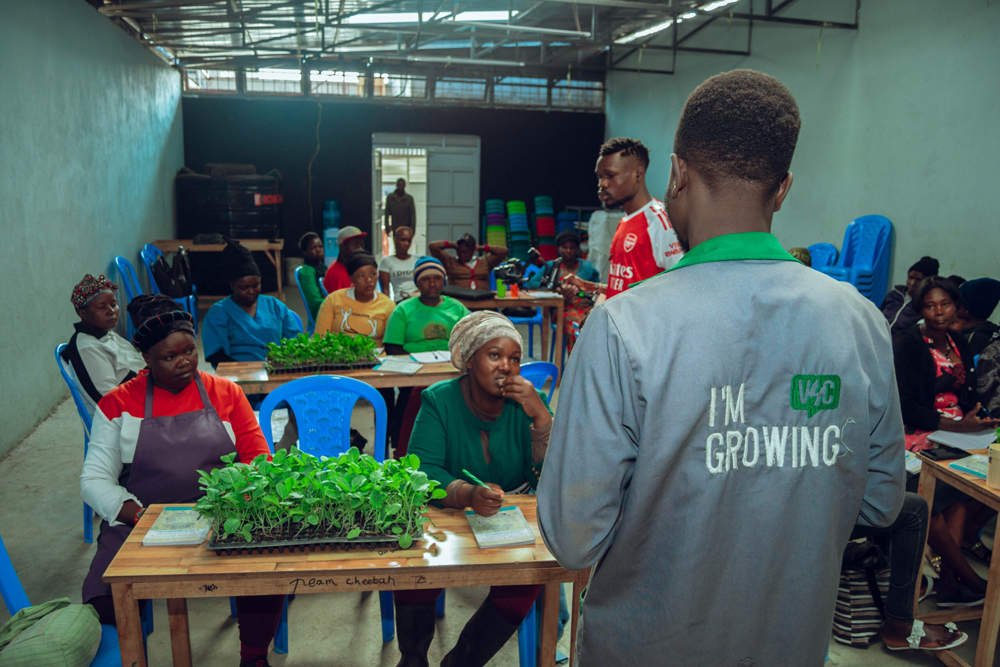
“So we train a group and when we feel like there's people who have a particular knowledge, then we assign them to train other groups and so on. So we are just convening and facilitating those connections”
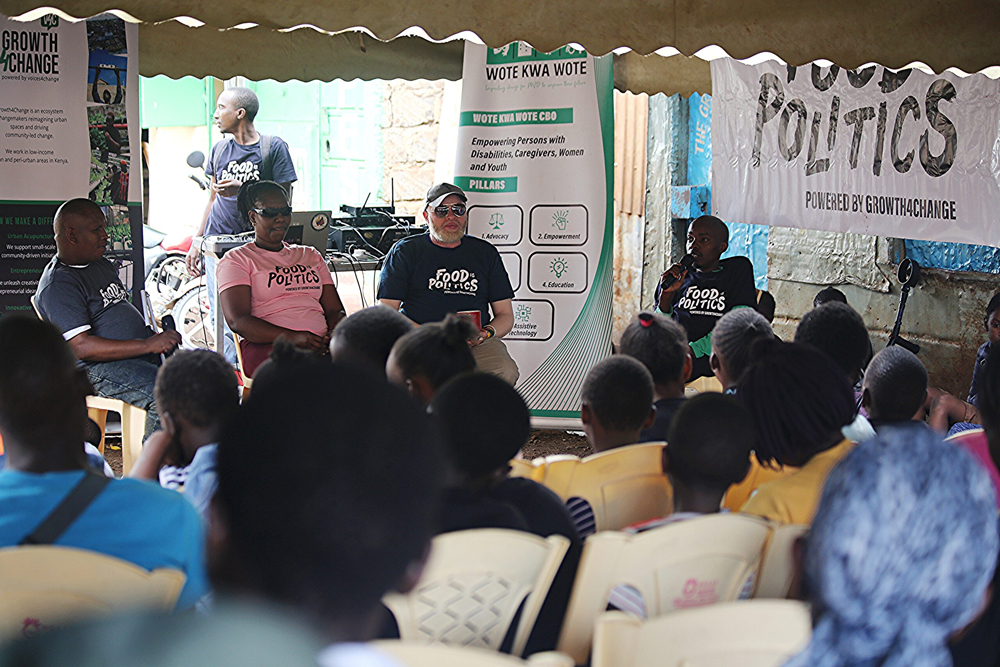
"We are building on the concept of urban acupuncture to create urban areas that can become increasingly self-sustaining. From the production side, we began engaging more ecosystem actors—people who share our vision but operate across different parts of the food value chain. By bringing these actors together, we are building an ecosystem that strengthens collaboration and helps ensure that food is distributed to the communities where it is needed most, improving both availability and access."