

Christchurch, New Zealand
Year established: 2001
Website/social media: Click here
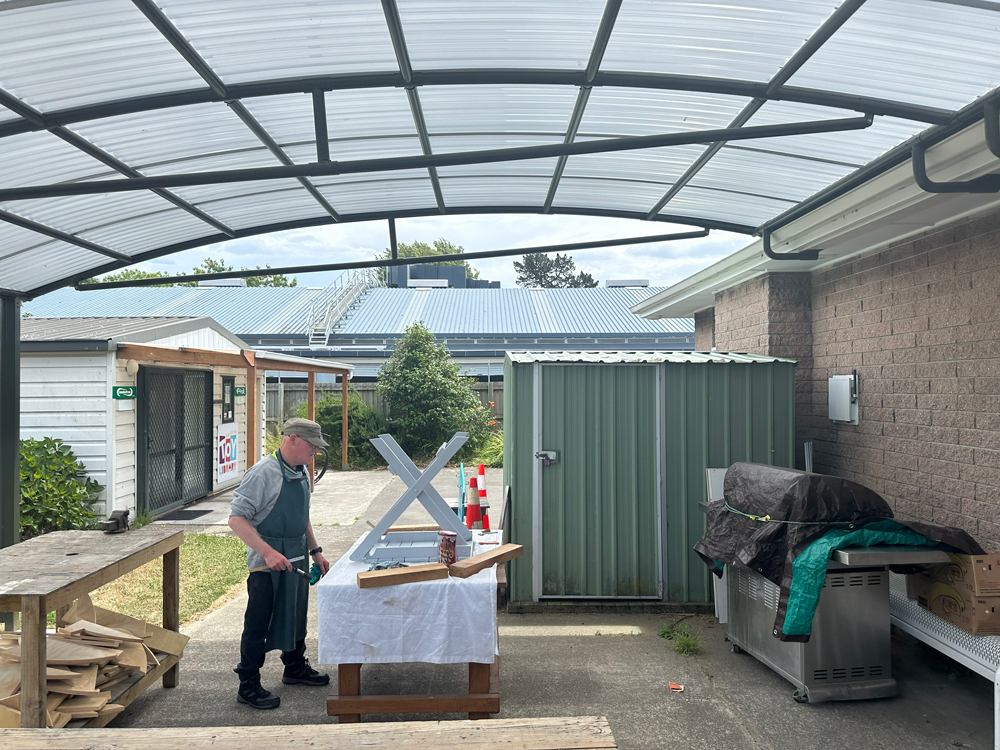
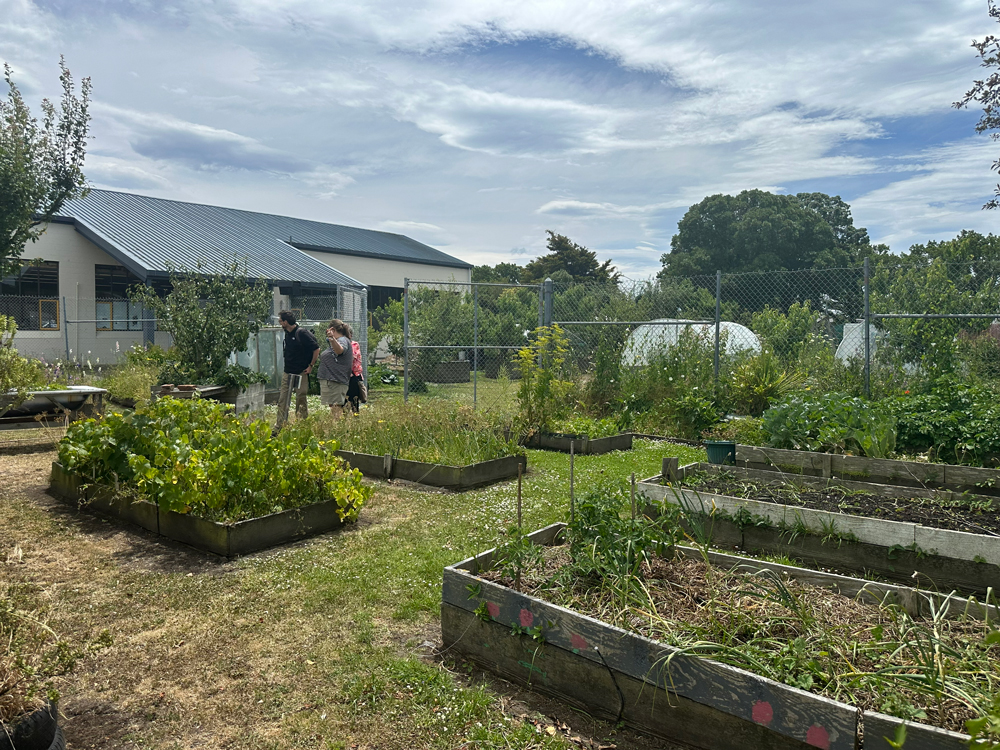
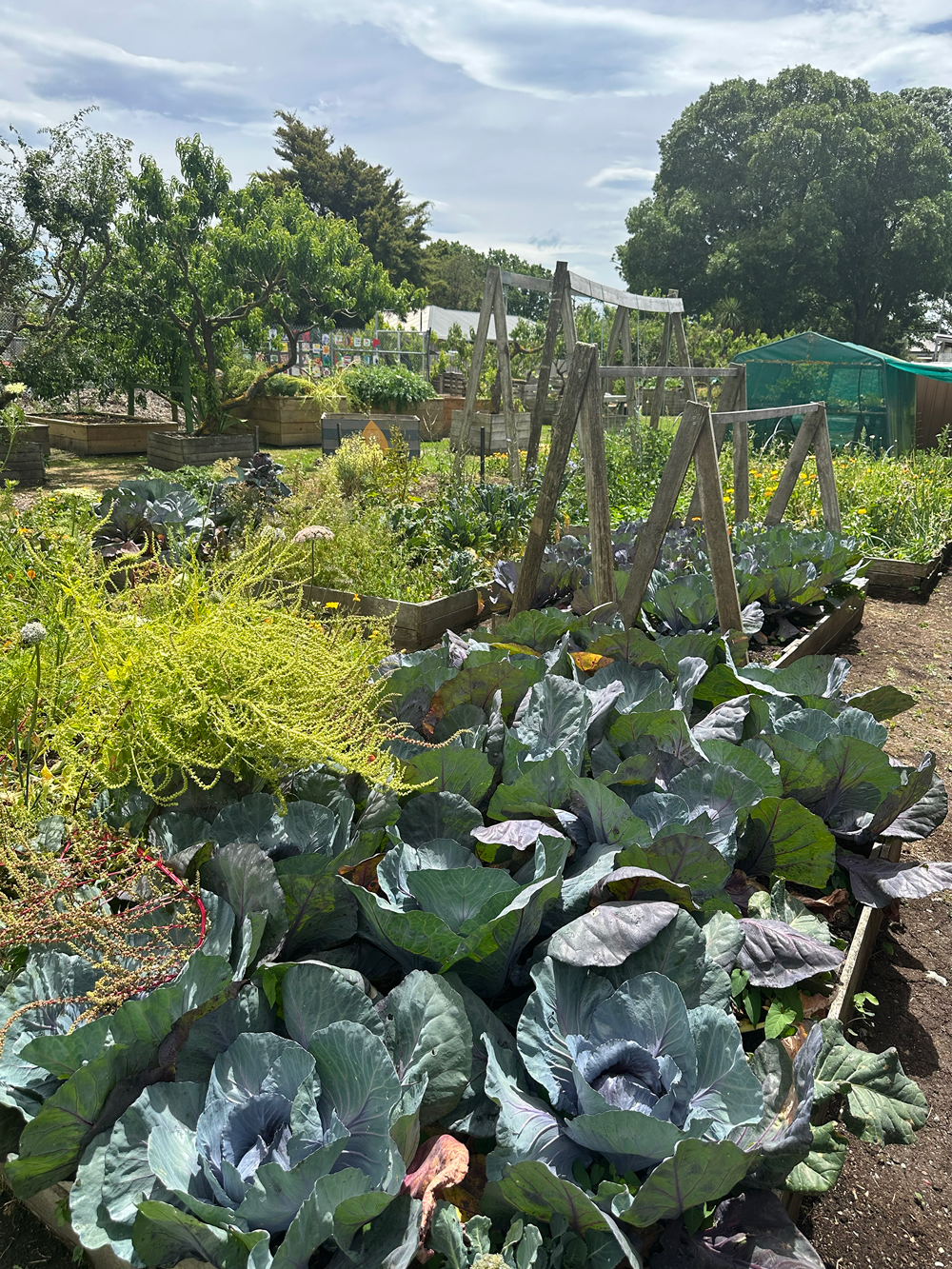
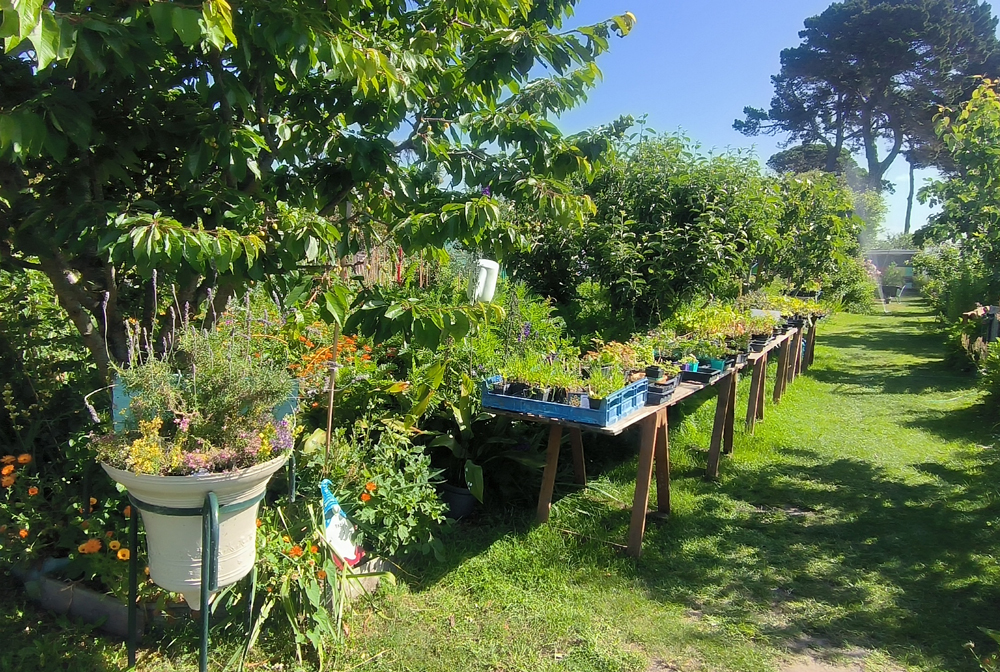
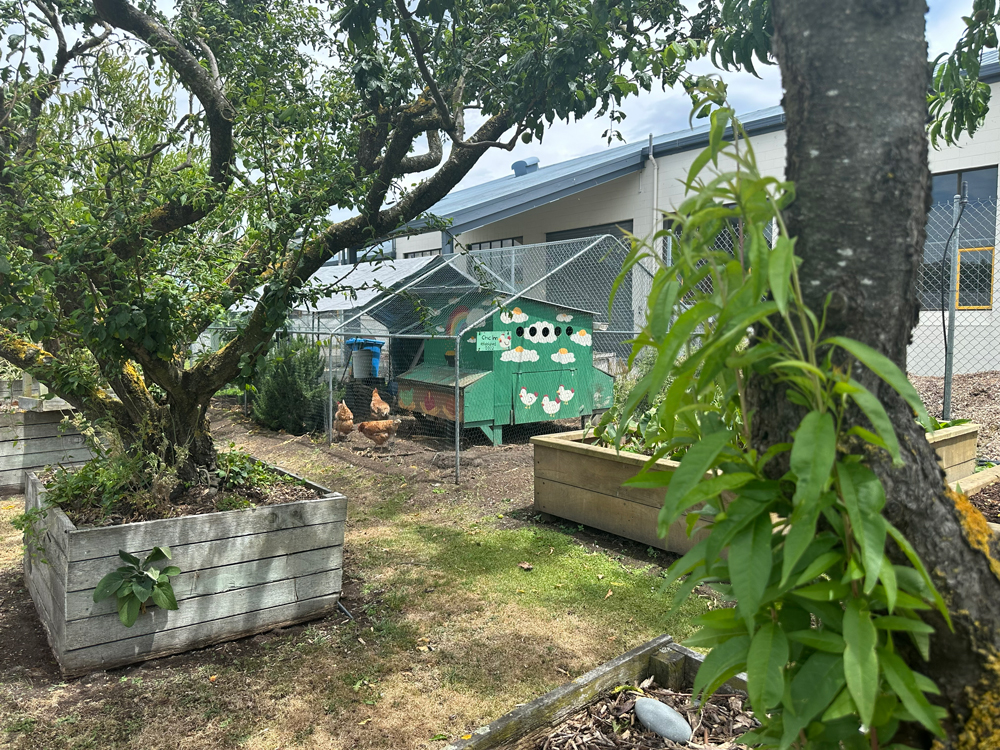
The case explores spatial and social connectivity of urban community gardens and farms, particularly in low-income urban neighbourhoods. It includes the Canterbury Community Garden Association (CCGA) as an umbrella organisation and four individual study locations (community gardens and farms located in Christchurch). CCGA was founded for two key reasons: First, community gardens in Christchurch and wider Canterbury did not have a distinct umbrella organisation to advocate for community gardens; second, to provide a platform for bringing diverse people together and encouraging exchange and discussion. The establishment of the study locations responded to shared interests and values around gardening and food, socio-economic community needs, sustainability and resilience. Specific opportunities arose after the 2010/2011 Canterbury earthquakes, when large parts of the city’s built environment were getting demolished and new ideas for the re-use of urban space emerged. The earthquakes were an opportunity to re-think the resilience of local food systems in the light of future disasters. The study locations provide a network of safe, local, green open spaces. They bring diverse people together and provide opportunities to socialise, learn, and explore new ideas and experiences through gardening and various other activities, e.g., arts & crafts; composting; shared lunches; cooking; recycling. Activities respond to participants’ needs, e.g., in relation to economic hardship or mental health issues with potentially life-changing effects. The CCGA consults regularly with participating gardens and employ a community builder / capacity developer to support them.
The case study is inspirational as it shows how gardens create strong citizen connections to urban food production while connecting food to social and cultural values. Case study participants found three key aspects most inspiring. First, they considered the study locations as highly inclusive spaces (see also “How is social inclusion approached?” below). Second, participants highlighted social connections and wellbeing as a core contribution of the study locations. Community gardens and farms provide safe and supportive environments where people experience improvements with their wellbeing. Direct contact with nature through routine garden activities, physical movement, and interaction with soil and vegetation provide physical and mental health benefits. Social interaction supports mental wellbeing. Finally, participants recognised study locations as spaces for community empowerment where people can grow and develop capacity. Participants collaborate in shared activities and projects; they are provided with diverse opportunities to reflect on their own habits and change them, e.g., through experiences of gardening and learning. Such experiences respond to participants needs and have positive transformative effects on daily habits and, in consequence, individual resilience, e.g., by learning to grow their own food.
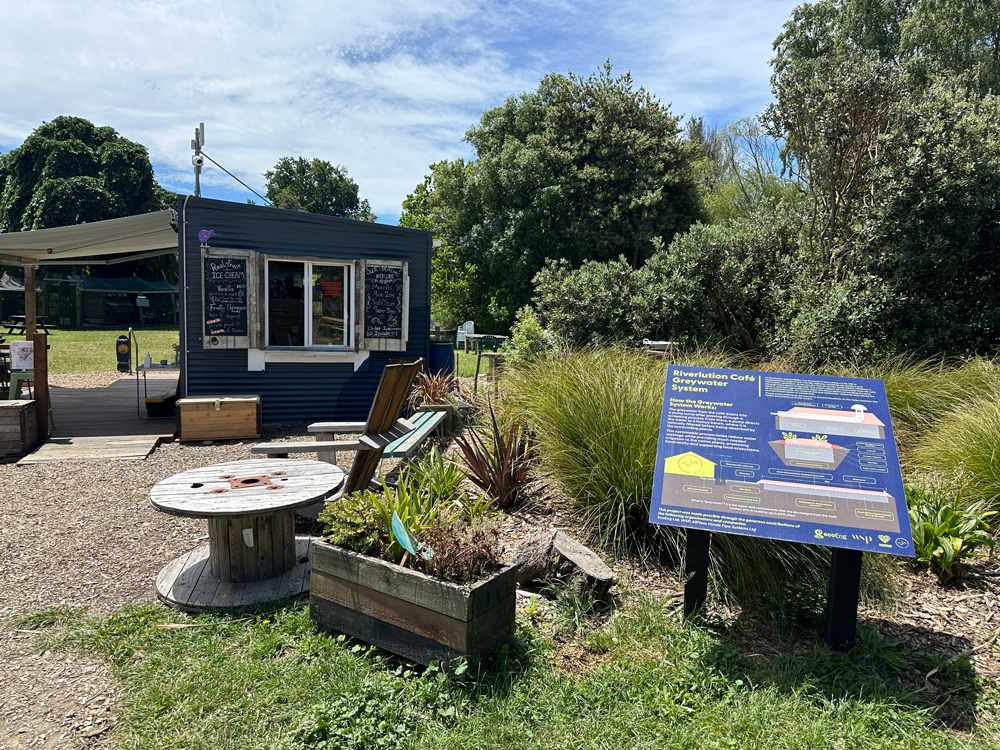
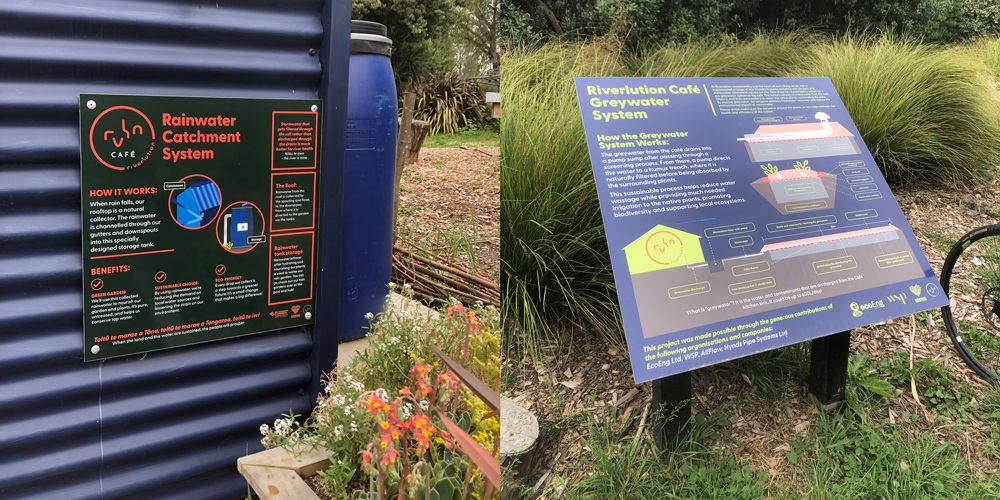
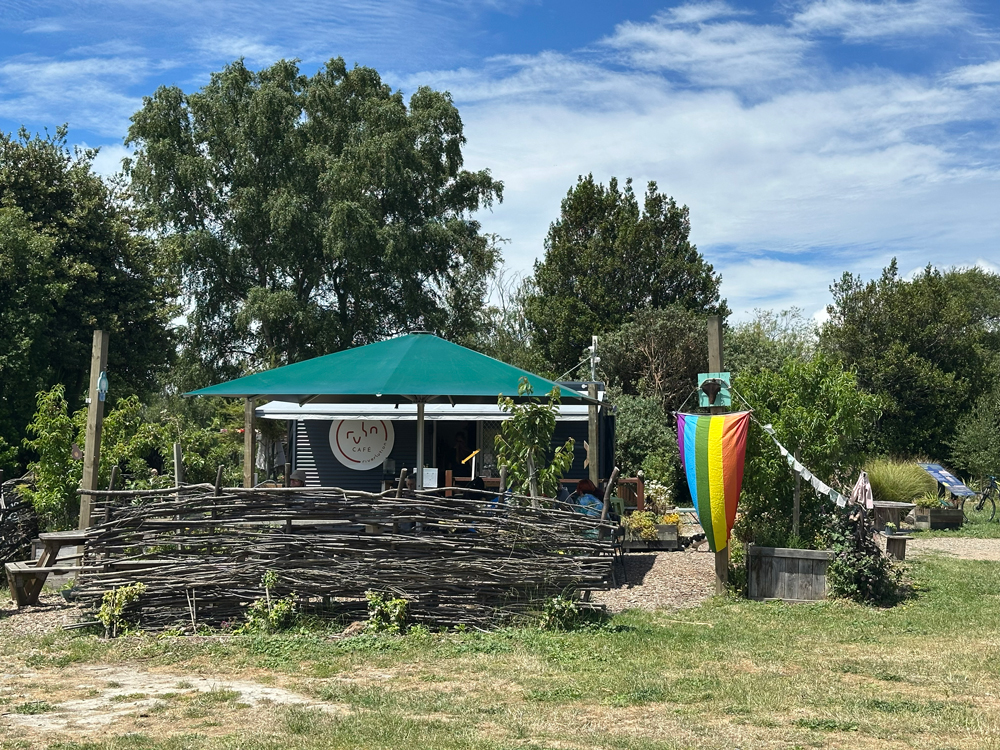
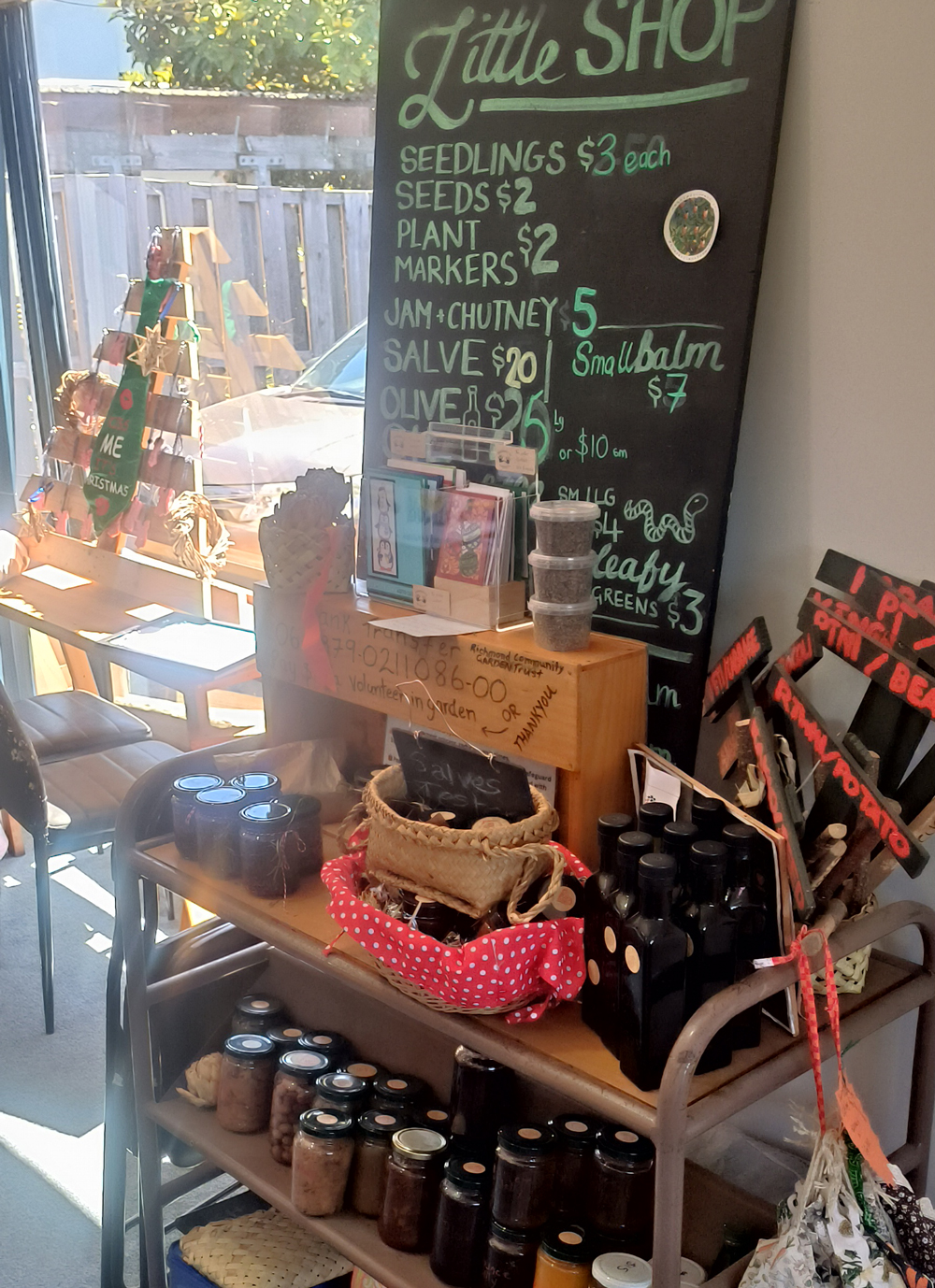
Sustainability values are strongly embedded in this case. The study locations provide various environmental benefits such as the reclamation and restoration of marginal urban soils and building new soils through composting and organic practices. Gardens provide space and resources to educate people to grow and prepare their own organic food and learn about the food cycle including waste management and soil health. Participants work collaboratively on sustainable projects including renewable energy, storm- and wastewater management, or recycling. The practical engagement with sustainable practices and circular economy principles encourages systemic thinking with the ability to develop holistic ecological worldviews and change engrained patterns of behaviour. Gardens have a direct positive effect on the restoration of land by redeveloping post-earthquake vacant sites formerly occupied by demolished buildings, planting native vegetation, and enhancing biodiversity, e.g., by planting for pollinators. All study locations grow and distribute food across the community. Food security was highlighted as an aspirational outcome with inclusivity and equity as guiding values. Local food production, embedded in everyday practice, enhances the resilience to environmental and systemic disruptions and supports resource efficiency, learning and adaptation. Participants considered their role in the (local) food value chain as producers, distributors, processors, waste managers, and educators. Some gardens run social enterprises and act as semi-professional food distributors, e.g., by selling their produce at market stalls or selling processed food via a garden-owned café.
All organisations are non-for-profit. They don’t own the land they operate from and rely on leases from public or private landowners. Effective coordination and communication within the organisations rely on trust and collaboration. They usually have a governing body that oversees the organisation (e.g. Board of Trustees) and an executive team (e.g. coordinator, manager, administrator). The executive team is responsible for running the organisation with regard to day-to-day activities. Staff without executive functions, interns, and volunteers are managed by one or several people of the executive team. Relationships between internal stakeholders – governing body, executive team, staff and volunteers – are based on formal reporting structures and informal communication. Organisations are well connected and entertain diverse networks of external stakeholders including other community gardens, community organisations, NGOs, City Council and other governmental organisations, funders, schools, universities, businesses and artists. They collaborate frequently with the municipality and other organisations.
The key ‘target’ user group are people interested in learning how to grow food. However, the range of people who visit and use the gardens is highly diverse and so are their respective motivations. User groups include vulnerable communities such as homeless people, people on low incomes and unemployed users, people with mental or physical disabilities, young people coming for community service work, and people with addictions and substance abuse histories. The gardens provide opportunities for people who are looking for social contacts or are new to the city or neighbourhood. There is cultural and gender diversity, e.g. represented by Pasifika and Māori or LGBTQ+ people. School groups and tertiary education students use the spaces for educational purposes. Older adults and retired people are a key user group. For them the gardens are a source of social, mental and physical wellbeing.
Social inclusion is a key inspirational value for the study locations. The gardens provide open access and appeal to diverse participants including vulnerable communities. The organisers, stakeholders and volunteers of organisations come from diverse professional and disciplinary backgrounds. They bring in diverse expertise to co-create projects which, in some cases, span across the entire food cycle. Spatial features such as open spaces or garden beds that respond to the needs of disabled people address community segregation issues and provide equal opportunities for participation. Fair processes, for example regarding the distribution of garden produce respond to principles of social justice. The integration of socio-culturally diverse forms of knowledge, e.g., by engaging with Pasifika and Māori groups and fostering indigenous gardening techniques and crops, or the collaboration with knowledge partners such as schools and universities create open and diverse learning environments. Collaborative peer-to-peer learning allows for socially and culturally inclusive approaches.
You can download our full case study, along with all the other case studies here.
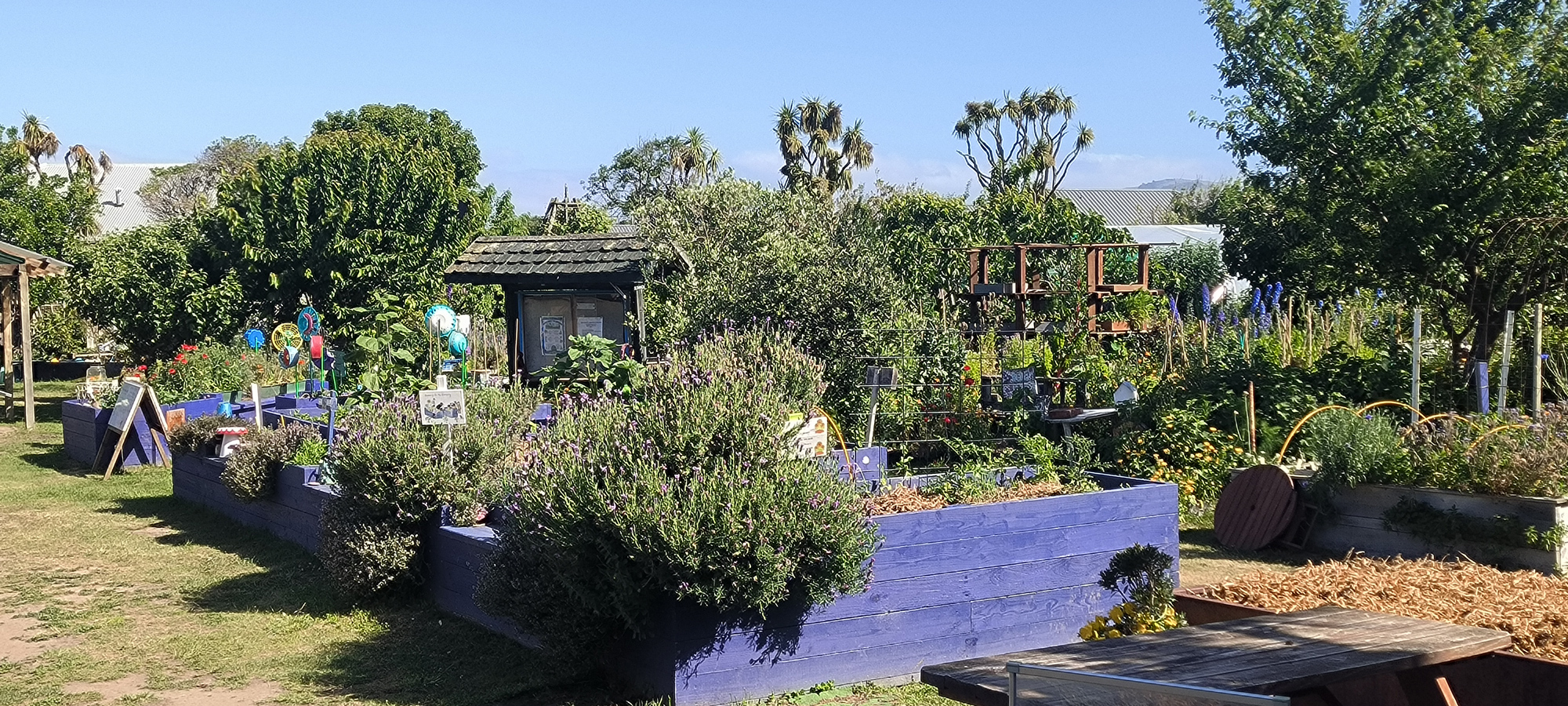
“The comfort people have when they come into that space and they're familiar with it. They feel welcome in no matter what state they're in. It's a safe place. You are not being paid to be there. You are not required to be there at certain times and days. You're choosing to take time out of your day and go there, and you're doing it, because you're happy. It's your second home. Sure, you get some veggies, but the connections, people with each other, like lifelong friendships that get built, and the knowledge and everything else that gets shared.”
Executive team member, Canterbury Community Gardens Association
“Everyone's coming for different reasons, and we don't always know the reasons. […] Now, one thing we do well here is to try and welcome everyone and try and find a place and space for everybody that comes.”
Executive team member, New Brighton Community Garden, Christchurch