

Christchurch, New Zealand
Year established: 2001
Website/social media: Click here
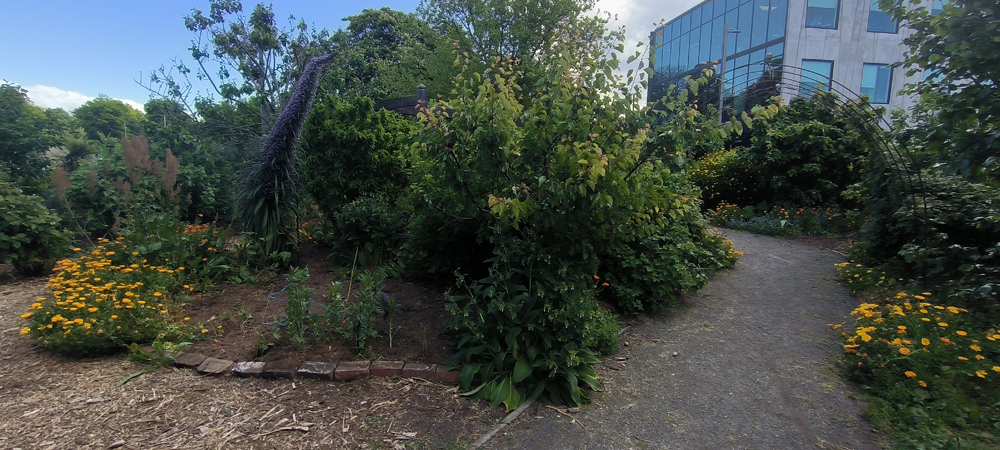
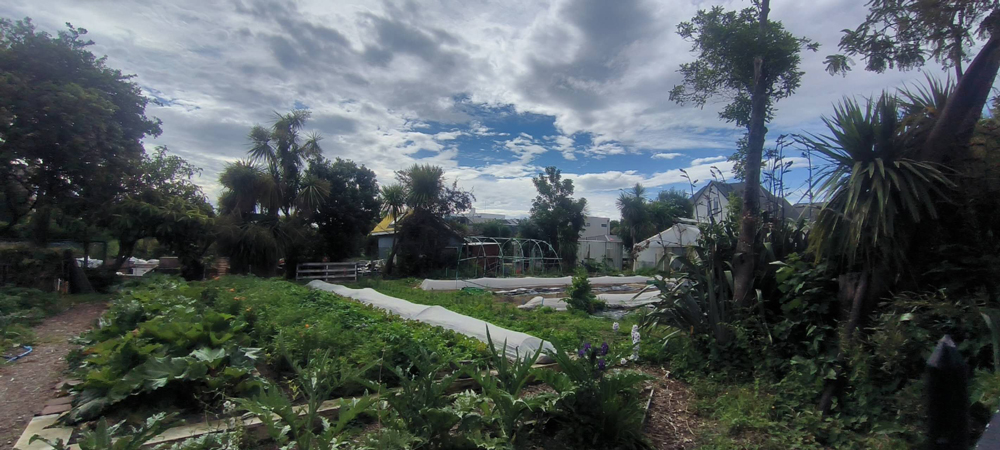
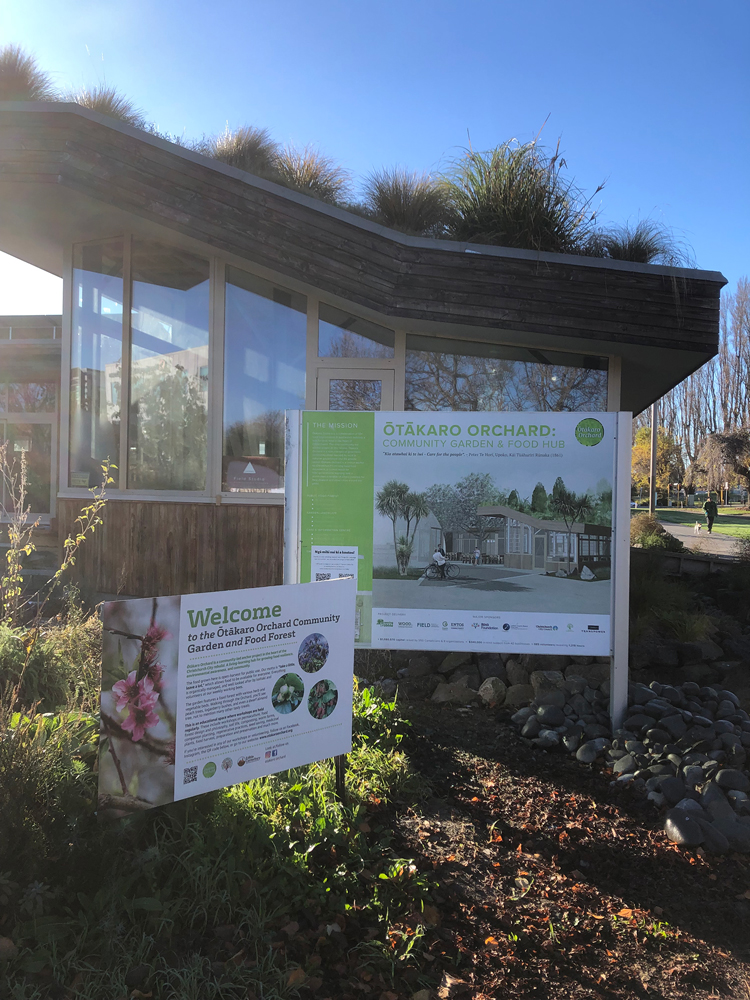
The case discusses challenges and opportunities around local circular food systems and urban food hubs, and how they support, educate and engage a diversity of people. It includes the Christchurch City Council (CCC) and the Food Resilience Network (FRN) as key organisations, and four additional organisations relevant to local urban food systems (Eat New Zealand; Rātā Foundation; Health NZ | Te Whatu Ora; Ōtākaro Orchard Urban Farm). The Christchurch City Council (CCC) was established in 1862 as the local government authority for Christchurch. They actively encourage the co-development of food system-relevant processes and structures and supports associated organisations. The Food Resilience Network (FRN) was founded in 2013 to address food resilience as a post-disaster response following the 2010/11 Canterbury Earthquakes. FRN developed the ‘Food Resilience Strategy’, which was adopted by Christchurch City Council in 2014, and was central for co-developing the 2015 ‘Edible Canterbury Charter’ to support a sustainable local food economy. FRN’s key project has been a central city urban food hub, the Ōtākaro Orchard, a tendered post-earthquake government project they won in 2015.
The case study identifies key lessons applicable to other communities aiming to co-create a more regenerative urban food system engaging a diversity of local people including low-income groups, youth, local food artisans, artists and businesses. The organisations involved help communities develop places and processes that accommodate and support local food systems. They support community engagement and collaborations by providing resources, e.g., funding and policy support to create connections through food across different community groups and cultures. Place-based connections between people and food are actively supported and built through social, cultural, educational and environmental initiatives. Case study participants found three key aspects most inspiring. First, food spaces across the food system show a high degree of diversity, inclusivity and innovation. For example, some community gardens and farms provide clever engagement models open to the wider community. Locally owned food places feature local products and chefs. Some projects promote and utilize indigenous knowledge. Second, participants highlighted spaces that encourage community empowerment for people to grow, create and develop capacity. Finally, participants recognised the overall willingness across the community to co-create sustainable local food systems despite considerable challenges. The Christchurch City Council considers relationship building and working towards common goals as most impactful. The case shows that reaching out to a wider audience has raised awareness about local food systems and food resilience. Social impact based on providing (community) support and raising (societal) awareness was considered as the most impactful area, followed by environmental impact and impact on education.
Sustainability values are strongly embedded in this case. The organisations reduce social and environmental impacts, e.g. by supporting school gardens and food education, or by funding food rescue programmes that repurpose food that would otherwise be wasted. Participants support local circular economies, e.g. with regard to food waste transformation by supporting local and city-wide composting programmes, and by strengthening locally owned and operated food businesses. Organisations support biodiversity through regenerative projects, e.g., by providing funding and expertise for food forests or extending native vegetation in the residential red zone. Participants considered their work environmentally impactful with regard to improving freshwater quality, e.g., through riparian planting, and land systems changes and regulation of climate through continuous monitoring of indicator-based metrics and climate-relevant regeneration projects. The regulation of freshwater quantity was supported through waterway-based partnerships and collaborative management. Stormwater management impact was considered through implementing showcases that demonstrate how to capture stormwater run-off. Participants considered their role and place in the (local) food system as advocates, funders and organisational supporters, growers & distributors, and educators. The most relevant role considered by participants was the provision of advocacy, funding and organisational support across food systems and organisations.
Organisations are mostly involved in projects with a local or regional focus addressing specific or systemic issues around local or regional food systems. The Christchurch City Council cooperates with a larger network of external actors and organisations including central (New Zealand) government, indigenous groups and councils such as Te Rūnanga o Ngāi Tahu, businesses, community groups, funders, schools and universities. They actively engage with various stakeholders, e.g. from the community, NGOs, the food system, and academia and bring in diverse expertise to co-create projects which, in some cases, span across the entire food cycle. The Christchurch City Council collaborates also internationally, e.g. through the Milan Urban Food Policy Pact and the International Urban and Regional Collaboration (IURC) and are involved in international research programmes such as Horizon Europe. For the Food Resilience Network, key decisions are made by the board, informed by their (wider) network of collaborators. The FRN has strong collaborative connections with the Christchurch City Council. They also work with regional council, Health NZ | Te Whatu Ora and universities. The Rātā Foundation collaborate with various government and community organisations. They work closely with other funders to align support for community organisations.
The Christchurch City Council addresses a highly diverse ‘target community’. trying to get all relevant actors in the food system together to discuss ideas and options and to create more just and resilient local food systems. They directly support community food growing organisations, e.g., through funding programmes, and vulnerable communities and schools, e.g., through their school lunch programme and by supporting school gardens. Community members benefit from food rescue and city-wide organic waste collection programmes. The FRN, mainly through the Ōtākaro Orchard Urban Farm, support a diversity of community groups and members including vulnerable, unemployed and homeless people, young people and students, Māori and Pasifika as much as corporate groups.
Participants show strong values around social equity, inclusivity and (social & cultural) diversity, embedded in collaborative action and demonstrated by projects that connect people, land and food while removing barriers for participation. Social inclusivity values were met by supporting projects and places, which are about growing communities and getting people together removing barriers for participation. Collaborative projects around growing local food and educating people address food security and food resilience issues. The re-development of the local food resilience policy address systemic inequalities with ambitions to transform (local) food systems. Place-based connections between people and food are actively supported and built through social, cultural, educational and environmental initiatives. The integration of socio-culturally diverse forms of knowledge, e.g., by engaging with Pasifika and Māori groups and fostering indigenous gardening techniques and crops, encourages collaboration with established knowledge partners (e.g., schools and universities) while including indigenous expertise and knowledge.
You can download our full case study, along with all the other case studies here.
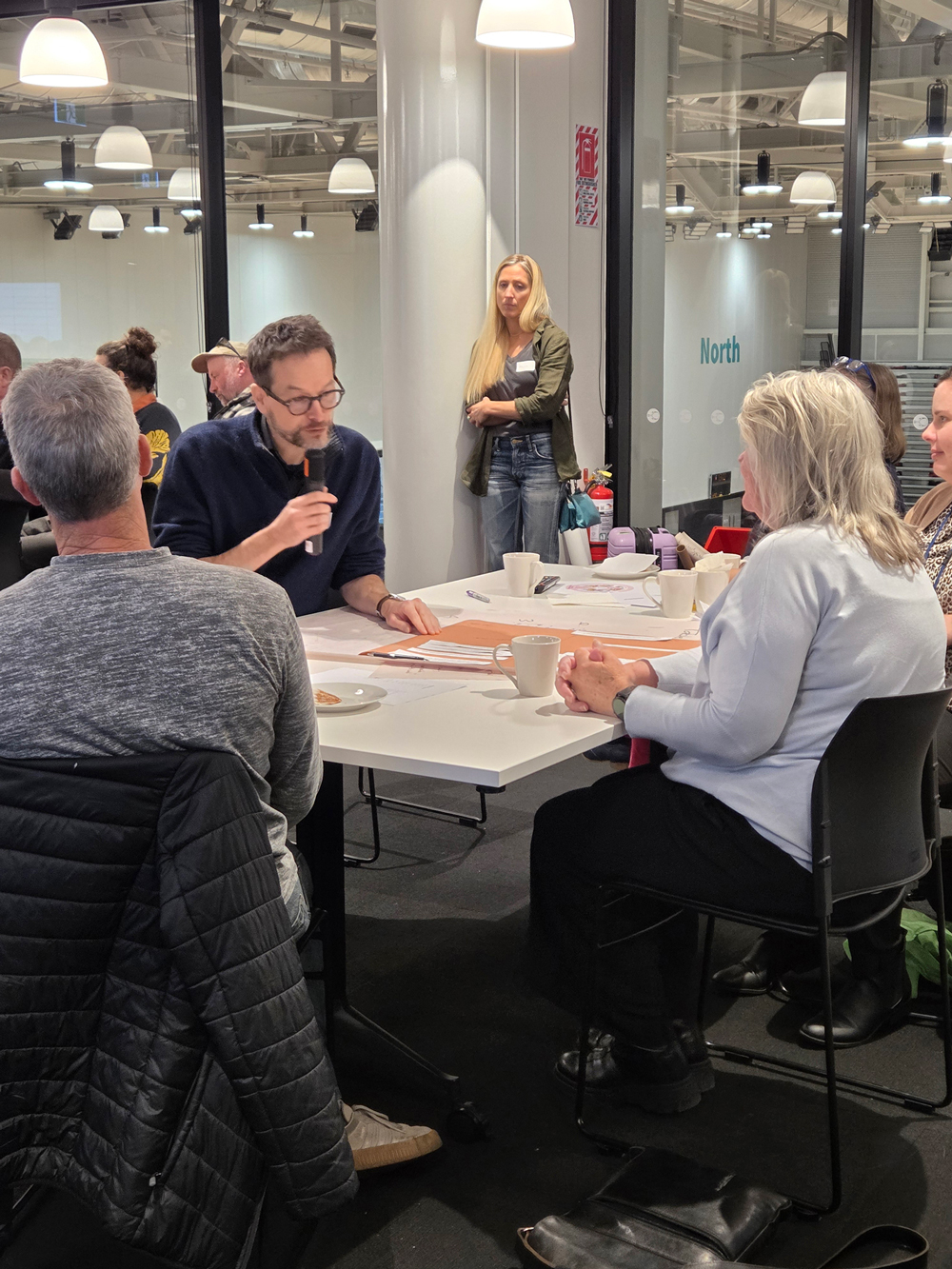
“We've gone from almost no schools with community food growing and or outdoor classrooms and food to, I think, it's 80 schools now; so we've got 160 schools in Christchurch, [and] over half have some form of food growing”
Interview participant, Christchurch City Council
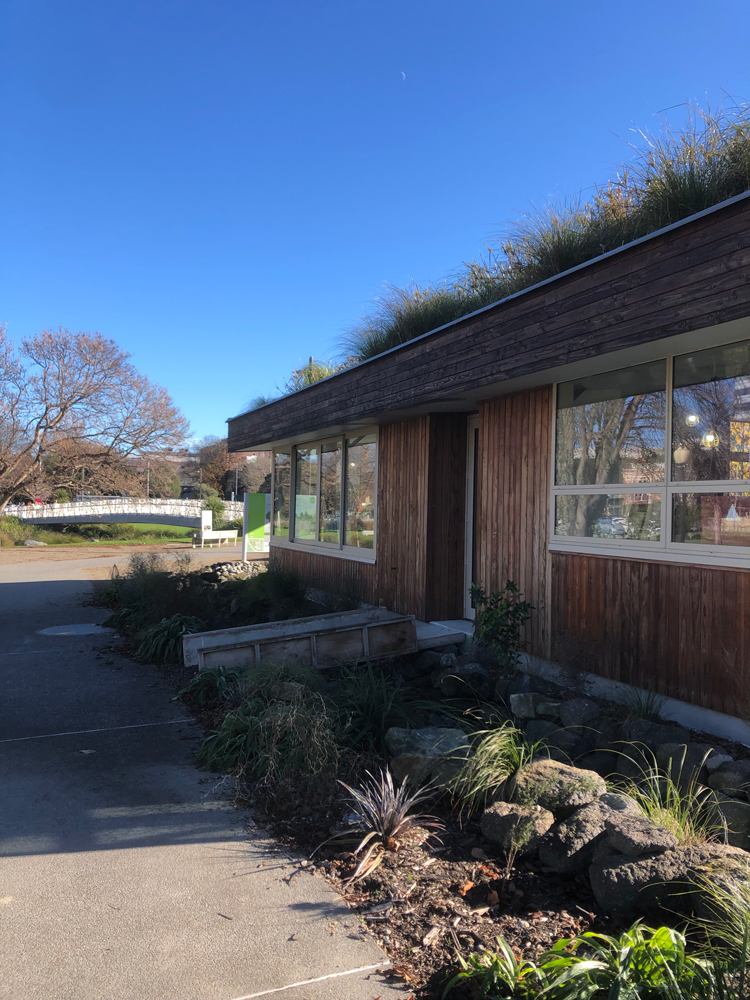
“Providing a place for people to collaborate is the biggest motivation [for our board]. And then, hopefully, with that, [it] scrolls on to build strength in our local food producers.”
Interview participant, Food Resilience Network