

Budapest, Hungary
Year established: 1897
Website/social media: Click here
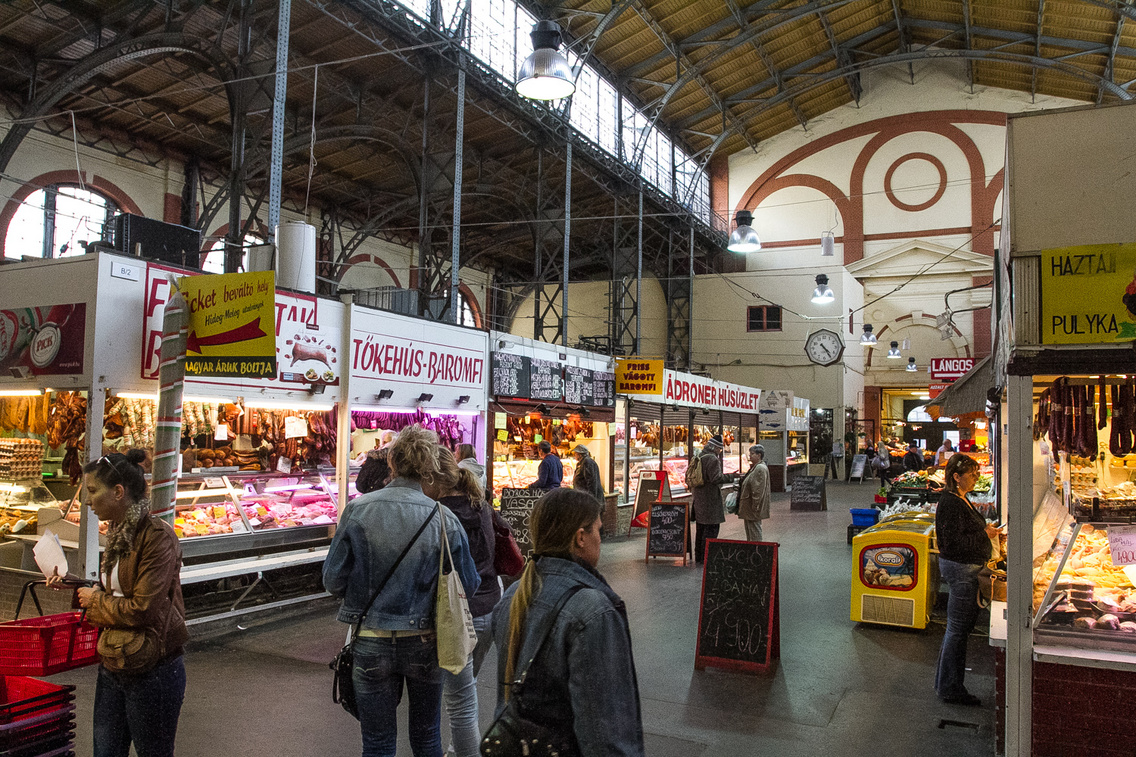
Hunyadi Square Market Hall is a historic landmark in Budapest's 6th district (Terézváros). It opened in 1897 as one of the city's six original grand market halls, built to provide a clean, regulated space for food trading and replace the crowded street markets of the time. For generations, it has been an important source of fresh food for local residents. Like many traditional market halls, Hunyadi has had to adapt to changing shopping habits and the growing popularity of supermarkets.
As part of a new wave of revitalisation projects across Europe, the hall is being reimagined.
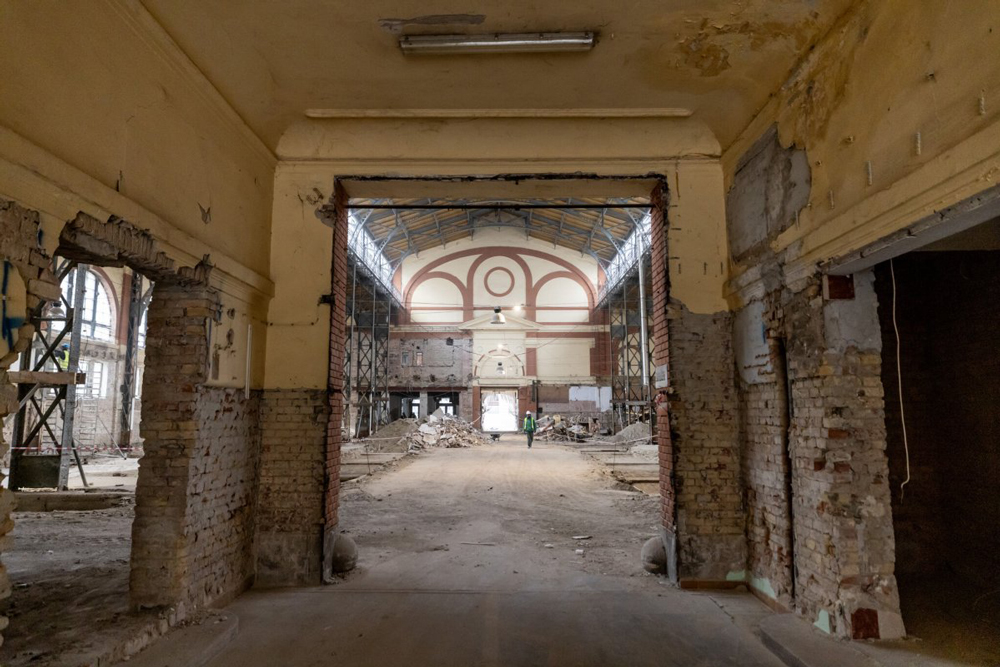
Designed by the architectural firm Archikon, the renovation is inspired by the successful transformation of the Old Market Hall in Bratislava[H1.1]. The project (to be completed in 2027) will transform the building into a multifunctional community gathering space, closely connected to the surrounding square and neighbourhood.
It shows how historic buildings can be adapted to meet today's social and environmental needs.
The hall will supposedly continue to host its traditional market functions, including producer stalls and vendors, while also introducing street-facing cafés, upper-floor galleries, offices, and flexible community spaces for workshops, cultural events, and other activities. New entrances, improved pedestrian access, and outdoor seating will strengthen the connection between the market and the surrounding neighbourhood, while the historic building itself will be carefully preserved rather than replaced.
The project also rethinks the market's financial model. At present, the market hall operates at a loss for the local municipality and primarily functions as a public service. By adding cafés, offices, cultural programmes, and other activities, the renovated hall will create several new income streams, reducing its dependence on public funding. The market aspires to become financially sustainable while continuing to serve the local community.
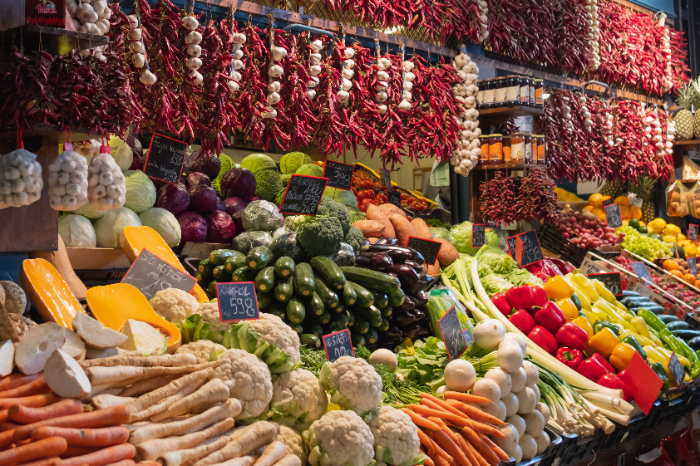
Sustainability is at the heart of the project. The plans include a basement composting system for neighbourhood organic waste, rainwater collection for irrigation, and a "green office" where cooking workshops and sustainability programmes will take place. Together, these features aim to redefine the market as a multidisciplinary community hub where education, food, and social interaction naturally come together in a public-square-like atmosphere. The market also plays an important role in the local food value chain. It provides a platform for Hungarian small-scale producers to sell directly to urban consumers, supporting short supply chains and helping farmers receive fair prices while giving residents access to fresh, locally produced food. Although its primary role is as a marketplace connecting producers with consumers, the renovated hall will expand its contribution by incorporating food preparation through restaurants and a food court, as well as waste management through its composting system.
The building is owned by the Municipality of Budapest's 6th District (Terézváros) and operated by Terézváros Property Management Ltd. (Terézvárosi Vagyonkezelő Zrt.) through its Market Hall Operations Directorate. The operations team manages the market's day-to-day activities, including vendor relations, building maintenance, and event organisation. Because the operating company is fully owned by the district municipality, it combines public accountability with greater flexibility than a traditional municipal department. This has allowed the market hall to respond more effectively to local needs and actively shape its ongoing renewal. The renovation has also been developed through collaboration with a wider network of stakeholders.
Hunyadi Square Market Hall serves a diverse mix of users that reflects the changing character of the surrounding neighbourhood. Many long-time customers are elderly local residents who have built personal relationships with vendors over decades, there are also younger residents, families, and consumers who often visit later in the day or on weekends and may place greater emphasis on food quality, sustainability, or speciality products. As the district continues to change, the market is adapting to the needs of these different groups while preserving its traditional role in the community.
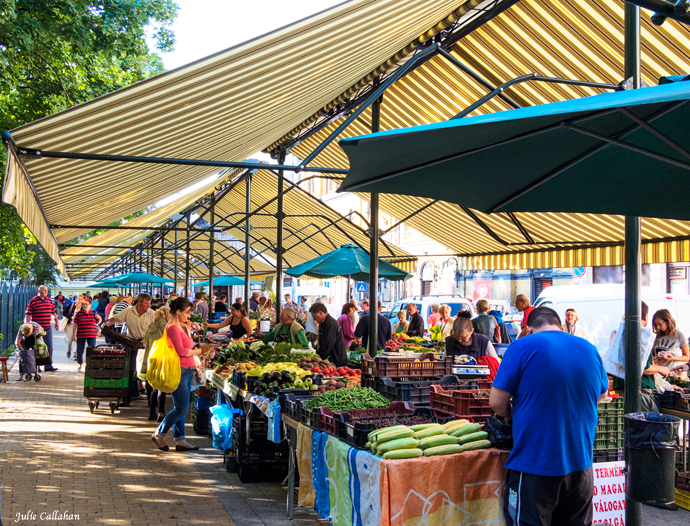
Social inclusion is reflected in the Hall’s physical design and management. The renovation will improve accessibility through barrier-free entrances and a more open connection with the surrounding neighbourhood. To preserve the market's social role during the renovation, a temporary square market has been established, which allows vendors to continue trading and preserves the long-standing relationships between producers and local residents. The market serves as a supportive selling platform to small-scale producers: local farmers receive preferential rental conditions compared with resellers, helping them maintain an affordable and reliable place to sell their products.
You can download our case study here, if you are interested in a more in-depth analysis of different markets, and learn about initiatives that could inspire you or teach you important lessons, such as the Old Market Hall in Bratislava, or Czakó Piacz, Farm2Fork, and the Rákóczi Square Market Hall in Budapest.
“The Hunyadi Square Market Hall has always been a kind of crown jewel.”
Ádám Kobrizsa
.jpg)
.jpeg)
“Refilling a market hall with new content and activities is, in my opinion, one of the main tasks of contemporary architecture today.”
Bence Dobos